Ensuring Pet Health: What Makes Water Fountain Filters 'Pet Safe'?
The Importance of Truly 'Pet Safe' Water Fountain Filters
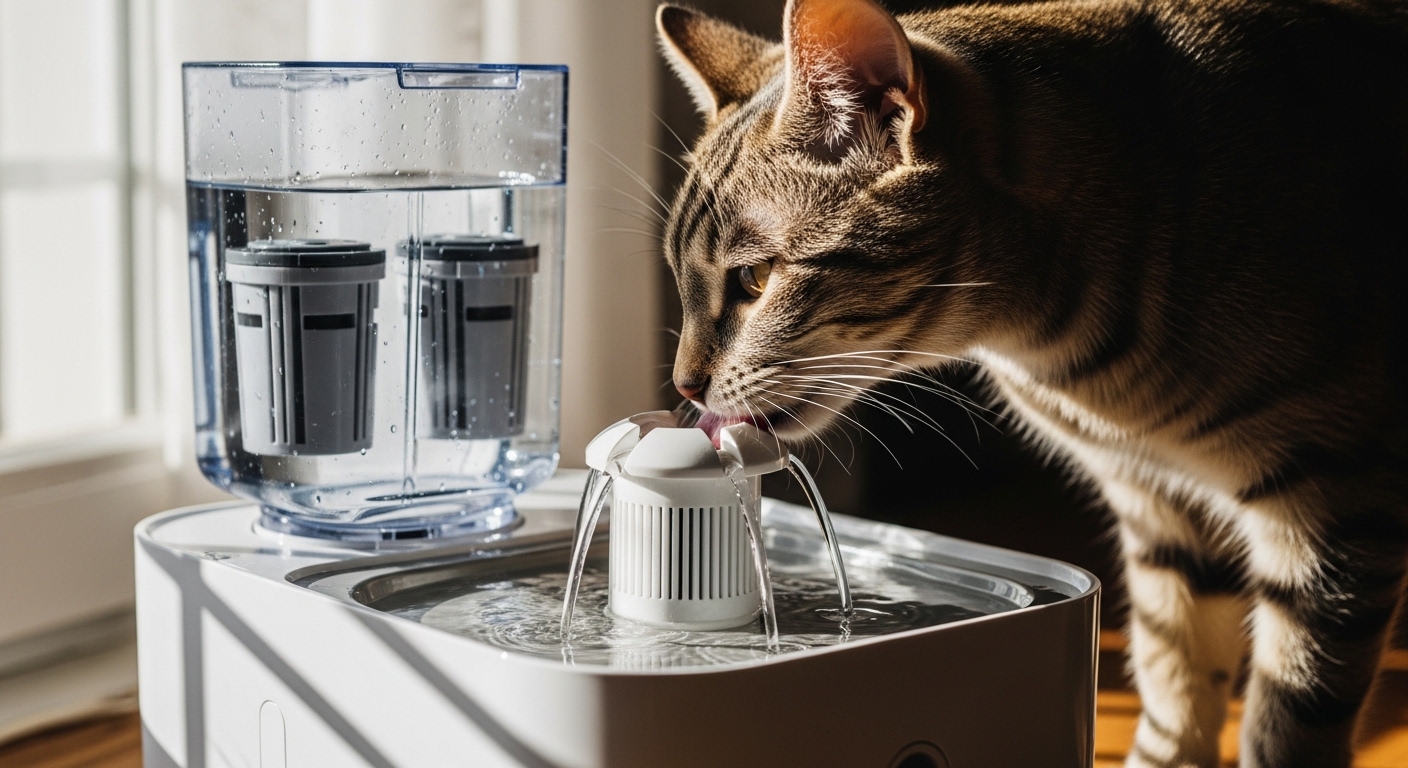
Pet water fountains have become a popular solution for encouraging pets to drink more, offering circulating, often aerated water that many animals find more appealing than stagnant bowls. This increased hydration is vital for kidney health and overall well-being. However, with the rising popularity comes a crucial question for discerning pet owners: how can we ensure the filters designed to clean this water are genuinely 'pet safe'?
Many products claim to filter water effectively, but the term "pet safe" extends beyond just removing visible impurities. It encompasses the materials used in the filter's construction, the substances it might introduce into the water, and its long-term efficacy without posing health risks to sensitive animals. Without a clear understanding, pet owners might inadvertently choose filters that fall short of optimal safety standards.
This guide aims to cut through marketing claims, empowering you to identify what truly constitutes a 'pet safe' water fountain filter. We will explore the critical criteria, material science, and potential pitfalls, ensuring your pet's hydration system supports their health without compromise. Understanding these elements is key to making an informed decision for your companion's optimal health.
Why Material and Filtration Safety Are Non-Negotiable for Your Pet
The choice of a water fountain filter extends beyond simply removing visible debris; it directly impacts your pet's long-term health and well-being. The materials used in filter construction and the efficacy of its filtration mechanisms are critical safety considerations, as they dictate what your pet consumes daily. Compromising on these aspects can introduce subtle yet significant risks, while prioritizing them supports optimal hydration and health.
Unsafe materials in filter components pose a direct threat to water purity. Non-food-grade plastics, for instance, may contain chemical additives that can leach into the drinking water over time. These compounds, even in trace amounts, can accumulate in a pet's system through continuous exposure, potentially leading to undesirable health effects. Ensuring filters are made from certified food-grade, BPA-free materials minimizes the risk of chemical transfer, safeguarding your pet from ingesting harmful substances.
Beyond material composition, the effectiveness of the filtration itself is paramount. Inadequate filtration allows various contaminants to remain in the water, which can undermine the health benefits of a fountain.
- Microbial Risks: Filters that fail to remove bacteria and other microorganisms can lead to the formation of biofilm, a slimy layer that harbors pathogens. Consuming water with high bacterial loads can cause gastrointestinal upset or more serious infections.
- Parasitic Concerns: Some water sources may contain microscopic parasites, which inadequate filtration cannot capture. Ingesting these can lead to parasitic infections requiring veterinary intervention.
- Heavy Metals and Chemicals: Tap water, even when deemed safe for human consumption, can contain trace levels of heavy metals like lead or copper from plumbing, or chemicals such as chlorine and its byproducts. Effective filtration is crucial for reducing these elements, preventing their accumulation in your pet's body.
Proper filtration plays a vital role in preventing common pet health issues, particularly those related to the urinary tract. Consistent access to clean, fresh water encourages greater hydration, which is essential for diluting urine. Diluted urine helps reduce the concentration of minerals that can lead to the formation of urinary crystals and stones, thereby lowering the risk of painful urinary tract infections and blockages. Beyond urinary health, optimal hydration supports kidney function, promotes healthy digestion, and contributes to overall vitality and energy levels.
Ultimately, understanding and prioritizing material and filtration safety provides pet owners with invaluable peace of mind. Knowing that the water your pet drinks is free from harmful chemicals, bacteria, and other undesirable contaminants allows you to confidently support their health. This informed approach ensures that the convenience and appeal of a water fountain translate into tangible health benefits for your beloved companion.
Key Criteria for Identifying a Pet-Safe Water Fountain Filter
Selecting a pet water fountain filter goes beyond simply ensuring cleaner water; it involves scrutinizing features that directly impact your pet's health and safety. A truly pet-safe filter considers material integrity, effective filtration, and thoughtful design to mitigate potential risks. Understanding these core criteria empowers pet owners to make informed choices for their companions.
Material Composition: BPA-Free and Food-Grade Plastics
The materials used in a filter's construction are fundamental to its safety. Pets are constantly exposed to these components as they drink, making non-toxic choices paramount.
- Non-Toxic Assurance: Filters should explicitly state they are "BPA-free" and made from "food-grade" materials. Bisphenol A (BPA) is a chemical that has raised concerns regarding potential health effects, and its absence is a crucial safety indicator. Food-grade plastics are certified safe for contact with consumables, ensuring no harmful substances leach into the drinking water.
- Common Safe Plastics: Look for filters made from materials like Polypropylene (PP) or Acrylonitrile Butadiene Styrene (ABS). These plastics are widely recognized for their stability, durability, and resistance to chemical leaching, making them suitable for pet hydration products.
- What to Avoid: Be cautious of filters that do not specify their material composition or use generic, uncertified plastics. Lack of transparency can indicate materials that haven't undergone rigorous safety assessments for pet use.
Filtration Media: Understanding Activated Carbon, Ion Exchange Resin, and Mesh Layers
The effectiveness of a filter in removing impurities is directly tied to its internal media. Each component plays a distinct role in enhancing water quality and safety.
- Activated Carbon: This porous material is highly effective at adsorbing chlorine, odors, and various organic contaminants from water. By improving water taste and smell, it encourages pets to drink more, while also removing chemicals that could be irritating or harmful. Filters often utilize coconut shell-based activated carbon, known for its high porosity and common application in drinking water purification.
- Ion Exchange Resin: This specialized media works to soften water by reducing mineral ions like calcium and magnesium, which contribute to hard water. Additionally, ion exchange resin can help to reduce certain heavy metals, such as lead and copper, further safeguarding your pet's health.
- Mechanical Filtration (Mesh/Cotton): Serving as the initial barrier, mechanical layers, often made of fine mesh or cotton, physically block larger particles. This includes pet hair, food debris, sediment, and other visible impurities. This not only ensures cleaner water delivery but also protects the fountain's pump from clogging and extends its lifespan.
Design Considerations: Preventing Mold, Bacteria, and Ingestion Risks
Beyond materials and media, the physical design of the filter itself contributes significantly to pet safety and hygiene.
- Hygiene and Maintenance: A well-designed filter should minimize areas where mold and bacteria can easily accumulate. This includes smooth surfaces, tight seals, and a construction that allows for straightforward removal and replacement. While filters inherently collect impurities, proper design and regular replacement are critical to prevent biofilm buildup and microbial growth.
- Ingestion Prevention: The filter casing must be robust and securely assembled to prevent pets from chewing on or breaking it apart. Loose filter media, such as carbon granules or resin beads, should be fully contained within the filter structure to eliminate any risk of ingestion by curious pets.
- Secure Fit: The filter should fit snugly and securely within the water fountain's designated slot. A loose-fitting filter could be easily dislodged by a pet, potentially leading to chewing, ingestion of filter components, or allowing unfiltered water to bypass the system.
Trade-offs and Common Pitfalls When Choosing Pet Water Filters
While the goal is always to provide the safest, cleanest water for pets, the path to achieving this often involves navigating practical compromises and avoiding common missteps. Understanding these trade-offs and pitfalls is crucial for pet owners to set realistic expectations and make informed decisions that genuinely support their pet's health.
Balancing Filtration Effectiveness with Filter Lifespan
Highly effective filtration, particularly systems designed to capture microscopic particles or a broad spectrum of contaminants, often comes with a trade-off: a shorter filter lifespan. Filters with finer mesh or denser activated carbon beds can become saturated or clogged more quickly. This means while they might initially offer superior purification, they require more frequent replacement. Pet owners face a decision between aggressive, comprehensive filtration that demands higher ongoing costs and more frequent maintenance, or a less intensive system with a longer replacement interval. The 'pet safe' implication here is that an overly effective filter, if not changed promptly, can quickly become ineffective or even a breeding ground for bacteria once exhausted.
The Illusion of 'Universal' Filters and Fit Issues
The market sometimes offers "universal" replacement filters, promising compatibility across various fountain brands. However, relying on these can introduce significant risks to a pet's hydration safety. A filter that doesn't precisely fit its intended fountain can lead to several problems:
- Bypass: Water may flow around the filter rather than through it, rendering the filtration ineffective.
- Leaks: An improper seal can cause water to escape, potentially damaging the fountain's motor or creating an electrical hazard.
- Reduced Efficacy: Even if no bypass occurs, a poor fit can compromise the water flow rate, affecting the fountain's circulation and the filter's contact time with the water.
For optimal safety and performance, using filters specifically designed or certified for a particular fountain model is crucial. This ensures proper sealing, complete filtration, and reliable operation.
Overlooking Regular Maintenance and Replacement Schedules
One of the most significant pitfalls is extending filter use beyond the manufacturer's recommended lifespan. Filters are not designed for indefinite use; they have a finite capacity to absorb impurities. Over time, an expired filter can:
- Release Trapped Contaminants: Instead of purifying, a saturated filter may begin to leach previously absorbed substances back into the water.
- Become a Biohazard: Organic matter trapped in the filter can decompose, turning the filter into a breeding ground for bacteria and mold.
- Lose Effectiveness: The activated carbon's ability to adsorb chemicals diminishes, and the physical media can degrade, making the water less safe than if no filter were present.
Adhering to a consistent replacement schedule, typically every 2-4 weeks depending on the filter type, fountain usage, and water quality, is paramount for ensuring the filter continues to contribute positively to your pet's health.
Making an Informed Choice for Your Pet's Hydration and Health
Selecting a water fountain filter that is truly 'pet safe' requires more than just glancing at a label. It involves a thoughtful evaluation of your pet's individual requirements, the specifics of your fountain, and the practicalities of filter maintenance. By aligning these factors, you can confidently choose a filter that consistently delivers clean, safe water.
Assessing Your Pet's Specific Needs
Your pet's health profile and local environment play a significant role in determining the most suitable filter. What works for one pet might not be optimal for another.
- Sensitive Stomachs or Health Conditions: Pets with delicate digestive systems or conditions like urinary tract issues might benefit from filters that specifically target certain elements. For instance, some filters are designed to reduce specific minerals that contribute to hard water, which can be a consideration for pets prone to crystal formation. Filters with fewer artificial components or dyes may also be preferred for highly sensitive animals.
- Local Water Quality Issues: If your tap water has a noticeable chlorine taste or odor, or if you live in an area with particularly hard water, a filter with robust activated carbon or ion-exchange resin may be more critical. These components address common water impurities that can affect palatability and, in some cases, pet health.
- Pet Size and Fountain Capacity: A larger pet consuming more water will put greater demand on a filter, potentially shortening its effective lifespan. Similarly, a fountain with a larger water reservoir might require a filter designed for higher throughput or a longer duration between changes to maintain consistent water quality. Consider how frequently your pet drinks and the volume they consume daily.
How to Match Filter Features to Your Fountain and Pet
Beyond your pet's specific needs, the practical aspects of the filter's design and its relationship to your fountain are crucial for ongoing safety and performance.
- Compatibility for Safety and Performance: Always verify that a filter is compatible with your specific fountain model. Original Equipment Manufacturer (OEM) filters are designed to fit perfectly, ensuring proper sealing and filtration pathways. When considering third-party or generic filters, scrutinize reviews and product descriptions for reports of poor fit, material quality concerns, or reduced filtration efficiency. An ill-fitting filter can allow unfiltered water to bypass the media, compromising the 'pet safe' aspect.
- Filter Capacity vs. Fountain Capacity: Understand the rated capacity of the filter (often measured in weeks or gallons) relative to your fountain's reservoir size and your pet's water consumption. A filter with a low capacity in a high-usage fountain will require more frequent replacement, or it will cease to be effective well before the recommended change interval. This mismatch can lead to a decline in water quality over time.
- Maintenance Ease and Frequency: The best filter is one that you can consistently maintain. Consider how easy it is to install and remove the filter, and how often it needs to be replaced. Filters requiring complex installation or very frequent changes might lead to skipped maintenance, inadvertently reducing the safety and cleanliness of your pet's drinking water. Factor in the cost and availability of replacement filters as part of your long-term decision.
Common Questions About Pet Safe Water Fountain Filters
Pet owners often have specific concerns when choosing hydration solutions. Understanding the nuances of filter safety can help ensure your pet's well-being.
Q: What makes a filter truly 'pet safe'? A: A filter is considered 'pet safe' when its materials and design prevent harm while effectively purifying water. Key aspects include:
- Non-toxic Materials: Components should be food-grade and free from harmful chemicals like BPA, phthalates, or heavy metals that could leach into the water.
- Effective Filtration: It must reliably remove common contaminants such as chlorine, sediment, and odors without introducing new risks.
- Secure Design: The filter should be securely housed within the fountain to prevent pets from accessing, chewing, or ingesting filter media.
Q: How often should I replace my pet water fountain filter? A: Most manufacturers recommend replacing filters every 2 to 4 weeks. This timeframe can vary based on:
- Number of Pets: More pets using the fountain can accelerate filter saturation.
- Water Quality: If your tap water has higher levels of sediment or impurities, the filter may clog faster.
- Pet Habits: Pets that drop food or debris into the fountain can also reduce filter lifespan. Regular replacement is crucial to maintain filtration effectiveness and prevent bacterial buildup.
Q: Can I use tap water with a pet water fountain filter? A: Yes, pet water fountain filters are primarily designed to improve the quality of tap water. They are engineered to reduce common tap water impurities like chlorine, heavy metals, and sediment, making the water more palatable and safer for your pet.
Q: Are all activated carbon filters the same? A: No, the quality and effectiveness of activated carbon filters can vary significantly. Differences often lie in:
- Source Material: Carbon can be derived from coconut shells, wood, or coal, each offering different pore structures and adsorption capabilities. Coconut shell carbon is often preferred for its high porosity and environmental profile.
- Processing: The activation process influences the carbon's ability to trap impurities.
- Formulation: Some filters may combine carbon with other media, like ion-exchange resin, for enhanced filtration of specific contaminants. For pet safety, look for filters explicitly labeled as food-grade or pet-specific, as these are typically designed with animal health in mind.
Q: What if my pet tries to chew or play with the filter? A: If your pet attempts to chew or play with the filter, it poses a risk of ingestion or damage. Ensure the filter is always securely installed within the fountain's designated compartment, making it inaccessible to your pet. If a pet does manage to access and chew a filter, consult your veterinarian, especially if you notice any unusual behavior or if filter material appears to be ingested.
Q: Is it okay to use generic or off-brand filters? A: While generic filters can sometimes be more affordable, they may carry risks. These include:
- Material Safety: Off-brand filters might not use food-grade or non-toxic materials, potentially leaching harmful substances into your pet's water.
- Fit and Performance: An improper fit can lead to water bypassing the filter entirely, rendering it ineffective. The filtration media itself might also be of lower quality, offering less effective purification.
- Unknown Efficacy: Without clear certifications or material disclosures, it's difficult to verify the filter's ability to remove contaminants safely. Prioritizing filters from reputable brands or those with clear material safety certifications can help mitigate these risks.
Prioritizing Pet Health Through Safe Filtration
Understanding what truly makes a water fountain filter 'pet safe' is a critical step in ensuring your companion's long-term health. Beyond simply providing hydration, the quality of that hydration, influenced directly by the filter's components and efficacy, plays a significant role in preventing potential health issues. The journey to identifying genuinely safe filters involves scrutinizing material composition, understanding filtration stages, and recognizing the importance of consistent maintenance.
Empowered with knowledge about BPA-free materials, food-grade plastics, and the specific functions of activated carbon, ion-exchange resins, and mechanical filtration, you are now better equipped to evaluate products critically. This vigilance extends beyond the initial purchase; regular inspection, timely replacement, and adherence to manufacturer guidelines are equally vital to maintaining the filter's safety and effectiveness. Choosing a filter isn't a one-time decision but an ongoing commitment to your pet's well-being. Ultimately, investing in filters that meet stringent safety criteria is a tangible investment in your pet's vitality and a proactive measure to support their healthy, hydrated life.
More in Pet Water Fountain Filters
View AllPremier Pet Water Fountain Filters: Are They the Best Value for Your Pet?
Neareal Pet Water Fountain Filters: Performance and Durability Review