Essential Features: How to Choose the Right Filters for Your Pet Water Fountain
Why Your Pet Fountain Needs the Right Filter
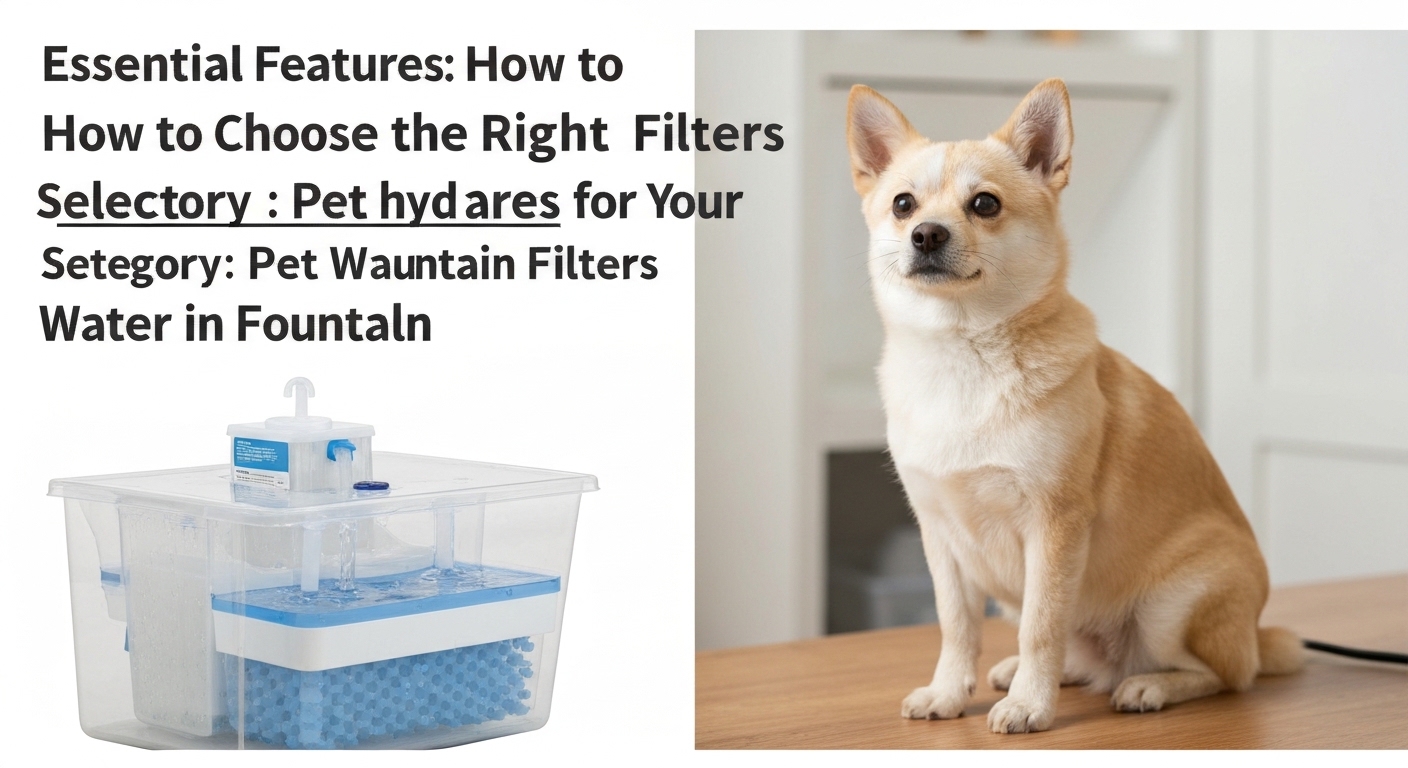
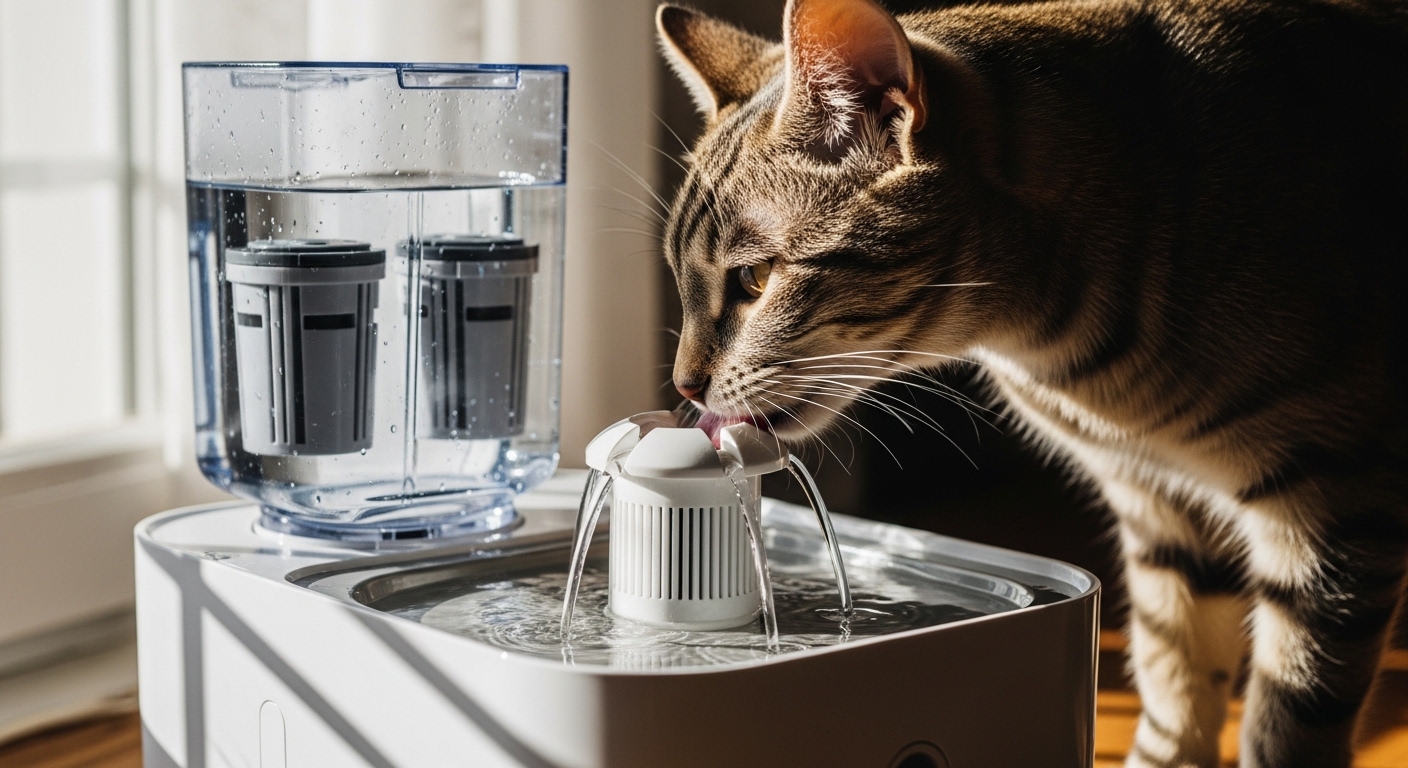
Consistent access to clean, fresh water is fundamental for your pet's overall health and well-being. Pet water fountains are designed to encourage increased hydration by offering continuously circulating, oxygenated water, which many pets find more appealing than stagnant bowl water. However, the effectiveness of these fountains in providing truly clean water hinges on the quality and type of filtration system in place.
Filters play a critical role in maintaining water purity within a recirculating fountain. They act as a barrier against various contaminants that can accumulate over time, ensuring the water remains palatable and safe for your pet. Without proper filtration, the water in a fountain can quickly degrade, potentially harboring:
- Debris: Pet hair, food particles, and dust.
- Impurities: Sediment and other particulate matter.
- Odors and Tastes: Chlorine and other elements that can deter pets from drinking.
Given the array of filter types, materials, and compatibility considerations, selecting the appropriate replacement filter can be a nuanced decision. This guide will break down the essential features and trade-offs, empowering you to make an informed choice that supports your pet's hydration needs and prolongs your fountain's lifespan.
Decoding Pet Fountain Filters: Materials and Their Functions
Understanding the materials within a pet water fountain filter is key to appreciating its role in maintaining water quality and your pet's health. Different components address distinct types of impurities, working together to provide cleaner, more palatable water.
Activated Carbon/Charcoal Filters
These filters are widely used for their ability to improve water taste and odor. Made from highly porous materials, often derived from coconut shells or wood, activated carbon works through a process called adsorption. This means that impurities chemically bond to the vast surface area of the carbon.
- Function: Primarily removes chlorine, chloramines, volatile organic compounds (VOCs), and other chemicals that can cause unpleasant tastes and smells in tap water. This makes the water more appealing for pets, encouraging better hydration.
Ion Exchange Resin Filters
Ion exchange resins are specialized materials designed to alter the mineral content of water. They are particularly beneficial in areas with hard water, which contains high levels of dissolved minerals like calcium and magnesium.
- Function: Softens hard water by exchanging undesirable ions (e.g., calcium, magnesium) for more benign ones (e.g., sodium, hydrogen). Some resins can also target and reduce heavy metals such as lead and copper, which might be present in older plumbing.
Mechanical Filtration Layers
Serving as the first line of defense, mechanical filtration layers are designed to physically block and trap larger particles. These layers are typically found at the outermost part of a filter cartridge.
- Function: Utilizes materials like sponges, cotton pads, or fine mesh to capture visible debris. This includes pet hair, food particles, dust, and sediment, preventing them from recirculating in the water or clogging the fountain's pump.
Multi-Stage Filtration
Many modern pet fountain filters employ a multi-stage approach, combining several of these materials into a single cartridge. This layered design ensures comprehensive purification by tackling different contaminants sequentially.
- Function: By passing water through mechanical, carbon, and ion exchange layers in succession, multi-stage filters offer a more thorough cleaning process. This integrated system effectively removes both visible particles and dissolved chemical impurities, providing a higher standard of water quality for your pet.
Essential Considerations for Selecting Your Pet Fountain Filter
Choosing the correct replacement filter for a pet water fountain involves more than just picking the first option available. A thoughtful selection process ensures optimal water quality, extends the life of your fountain, and supports your pet's hydration needs. Pet owners should evaluate several practical criteria to make an informed, value-driven decision.
- Fountain Compatibility: The foremost consideration is ensuring the filter fits your specific fountain model. Many fountains use proprietary filters designed exclusively for their brand and model. Attempting to use an incompatible filter can lead to poor fit, reduced filtration efficiency, potential leaks, or even damage to the fountain's pump. While generic alternatives exist for some popular models, always verify their stated compatibility to avoid issues.
- Filter Lifespan and Replacement Frequency: The advertised lifespan of a filter often serves as a guideline, but actual replacement frequency depends on several factors. Consider:
- Number of pets: More pets using the fountain means faster filter exhaustion.
- Water quality: Hard water or water with high particulate matter will clog filters more quickly.
- Fountain usage: Continuous operation or high-volume use can shorten filter life.
- Pet shedding: Hair and debris can accumulate, requiring more frequent changes. Regular replacement is crucial for consistent water quality and fountain hygiene.
- Water Quality in Your Area: The characteristics of your local tap water can significantly influence filter performance and choice. For instance, areas with hard water may benefit from filters containing ion-exchange resins to reduce mineral buildup, which can affect both taste and fountain longevity. If your water has a noticeable chlorine taste or odor, activated carbon filters are essential for improving palatability. Understanding your local water profile can help prioritize specific filtration capabilities.
- Pet's Specific Needs: For pets with sensitivities or particular health concerns, the quality of their drinking water is paramount. While all fountain filters aim to improve water, some may offer enhanced filtration for finer particles or specific contaminants. If your pet has a history of urinary issues or prefers very fresh-tasting water, prioritizing filters known for comprehensive purification can be beneficial.
- Ease of Installation and Maintenance: Practicality plays a role in consistent filter replacement. Opt for filters that are straightforward to install and remove, requiring minimal effort. Consider the overall maintenance routine: some filters may require rinsing before use or have specific cleaning instructions. An easy-to-manage filter system encourages regular changes, ensuring your pet always has access to clean water.
Navigating Filter Challenges: What Could Go Wrong and How to Prevent It
Even with the best intentions, several pitfalls can diminish the effectiveness of your pet fountain's filtration system. Understanding these common issues and their prevention is key to ensuring your pet consistently receives clean water and to maximizing the lifespan of your fountain. Addressing these risks proactively can save time, money, and potential health concerns for your pet.
-
Incompatible Filters Lead to Compromised Performance Using a filter not specifically designed for your fountain model can result in a poor fit. This might allow water to bypass the filter media entirely, rendering filtration ineffective. A loose fit can also lead to leaks or allow debris to reach and potentially damage the fountain's pump. Always verify the filter's compatibility with your specific fountain model number before purchase.
-
Neglecting Replacement Schedules Undermines Water Quality Filters have a finite capacity to absorb impurities and trap debris. Over time, the activated carbon becomes saturated, losing its ability to remove odors and tastes, while the mesh and ion-exchange resin become clogged or exhausted. Failing to replace filters according to manufacturer recommendations (typically every 2-4 weeks, depending on pet usage and water quality) can lead to:
- Reduced filtration efficiency, allowing impurities back into the water.
- Bacterial growth on the saturated filter media.
- Decreased water flow due to clogging, potentially straining the fountain pump.
- Unpleasant water taste or odor, deterring your pet from drinking. Set regular reminders to ensure timely filter changes.
-
Balancing Quality and Cost in Filter Selection The market offers a range of filters at different price points. While budget-friendly options can be appealing, they may sometimes involve trade-offs in material quality, filtration capacity, or overall lifespan. Less expensive filters might use lower-grade activated carbon, have less effective ion-exchange resin, or be constructed with less durable components. Conversely, a higher price doesn't automatically guarantee superior performance for your specific needs. Evaluate filters based on their stated materials and filtration claims, considering the water quality in your area and your pet's specific requirements, rather than solely on price.
-
Considering Environmental Impact of Filter Disposal Most pet fountain filters are designed for single use and are composed of plastics and various filter media, making them challenging to recycle through standard municipal programs. This contributes to landfill waste. While options are limited, some manufacturers are exploring more sustainable materials or offering bulk packaging to reduce waste. For pet owners concerned about environmental impact, research brands that prioritize eco-friendly practices or consider filters with components that can be separated for appropriate disposal where facilities exist.
-
Recognizing Signs of a Failing Filter Your pet fountain often provides clear indicators when its filter is no longer performing optimally. Pay attention to:
- Changes in water taste or smell: A return of tap water odors (like chlorine) or a stale, metallic, or unusual taste.
- Reduced water flow: The stream from the fountain becomes noticeably weaker, suggesting the filter is clogged.
- Visible impurities: Hair, food particles, or sediment appearing in the water reservoir despite recent cleaning.
- Slime or biofilm: The presence of a slimy film on the fountain's surfaces, indicating bacterial growth that the filter is no longer inhibiting. These signs are a strong signal that it's time for a filter replacement, regardless of the last change date.
Your Step-by-Step Guide to Choosing the Ideal Pet Fountain Filter
Selecting the right replacement filter for your pet water fountain can seem complex, but by following a structured approach, you can confidently choose a filter that meets your pet's needs and maintains water quality. This guide breaks down the essential considerations into actionable steps.
-
Step 1: Confirm Your Fountain Model's Compatibility The most critical first step is to identify the precise make and model of your pet water fountain. Filters are often designed to fit specific fountain dimensions and internal mechanisms. Attempting to use an incompatible filter can lead to improper fit, reduced filtration efficiency, or even damage to the fountain pump.
- Check your fountain's user manual for filter specifications.
- Look for model numbers directly on the fountain or its packaging.
- Review the manufacturer's website for compatible filter lists.
-
Step 2: Understand Your Local Water Characteristics The quality of your tap water significantly influences the type of filtration your pet needs. Different filters address different impurities.
- Observe your tap water: Does it have a noticeable taste, odor, or visible sediment?
- Consider local water reports: Many municipal water providers offer annual water quality reports that detail common contaminants in your area.
- Basic home water test kits: These can provide insights into hardness, chlorine levels, or other common issues. Knowing your water quality helps you prioritize filter features like enhanced chlorine removal or scale inhibition.
-
Step 3: Account for Your Pet's Specific Needs and Habits Your pet's individual characteristics play a role in filter selection.
- Pet's fur and drool: Pets with long fur or those that drool frequently may introduce more debris into the water, necessitating filters with robust pre-filtration (e.g., thicker foam layers).
- Water consumption: A household with multiple pets or a single pet that drinks a lot may require filters with a higher capacity for impurities or more frequent replacement.
- Health considerations: For pets with sensitive digestive systems or specific urinary health concerns, enhanced filtration that removes a broader range of impurities might be a priority.
-
Step 4: Match Filter Types to Your Requirements Pet fountain filters typically combine various materials, each targeting different aspects of water purification.
- Activated Carbon: Primarily removes chlorine, odors, and organic impurities, improving taste.
- Ion-Exchange Resin: Often used to soften hard water by reducing minerals like calcium and magnesium, which can also help prevent scale buildup in the fountain.
- Foam/Non-Woven Fabric: Acts as a pre-filter, trapping larger debris like pet hair, food particles, and sediment, protecting the pump. Based on your water quality and pet's needs, prioritize filters that offer the most relevant combination of these materials.
-
Step 5: Balance Maintenance Requirements and Budget Filter longevity and replacement costs are practical considerations that impact your long-term satisfaction.
- Replacement frequency: Consider how often you are willing or able to change filters. Some filters are designed for longer use, while others require more frequent replacement for optimal performance.
- Overall cost: Evaluate the cost per filter and the recommended replacement schedule to understand the annual expense. Sometimes, a slightly more expensive filter with a longer lifespan can be more economical in the long run.
- Ease of replacement: Choose filters that are straightforward to install and remove, simplifying your maintenance routine.
By systematically evaluating these factors—compatibility, water quality, pet needs, filter composition, and maintenance—you can make an informed decision, ensuring your pet consistently has access to clean, fresh water.
Common Questions About Pet Water Fountain Filters
Understanding the role and maintenance of pet water fountain filters is crucial for ensuring your pet's hydration and the longevity of your fountain. Here are answers to frequently asked questions that can help clarify common concerns.
-
How often should I change my pet fountain filter? Most manufacturers recommend changing filters every 2 to 4 weeks. This interval can vary based on several factors, including the number of pets using the fountain, the hardness of your tap water, and the amount of debris (like pet hair or food particles) that accumulates. Always refer to your specific fountain's manual for the most accurate guidance.
-
Can I wash and reuse pet fountain filters? Generally, washing and reusing pet fountain filters is not recommended. While rinsing can remove visible debris from mechanical pre-filters, the activated carbon and ion-exchange resins found in many filters are designed for single-use absorption. Once these materials become saturated or exhausted, their ability to remove impurities, odors, and heavy metals diminishes. Furthermore, rinsing may not effectively remove bacteria that can accumulate within the filter media, potentially compromising water quality.
-
Do all pet fountains use the same type of filter? No, filter designs vary significantly between different pet fountain brands and models. Filters come in various shapes (e.g., square, round, trapezoidal), sizes, and internal compositions (e.g., different layers of activated carbon, ion-exchange resin, or mechanical mesh). It's essential to identify the specific filter type recommended for your fountain model to ensure proper fit and effective filtration.
-
What happens if I don't change the filter? Failing to change the filter can lead to several issues. The filter's ability to remove impurities, odors, and tastes from the water will diminish, potentially making the water less appealing to your pet. An old, clogged filter can also strain the fountain's pump, leading to reduced water flow or even pump failure over time. In some cases, a neglected filter can become a breeding ground for bacteria or mold, compromising your pet's health.
-
How do I know if my filter is working effectively? Several indicators can suggest your filter is no longer performing optimally:
- Visual changes: The water may appear cloudy, or you might notice visible debris in the reservoir despite recent cleaning.
- Odor or taste: The water may develop an unpleasant odor or taste, indicating that the carbon is no longer neutralizing impurities.
- Reduced flow: A significant decrease in the fountain's water flow can signal that the filter is clogged.
- Manufacturer guidelines: Adhering to the recommended replacement schedule is the most reliable way to ensure consistent filtration performance.
-
Are there 'universal' filters that fit most fountains? While some filters are marketed as compatible with "multiple" or "popular" fountain brands, truly universal filters that fit most fountains are rare. Filter dimensions and design features are often specific to certain fountain models or a small range of models from a particular manufacturer. Always verify the compatibility of a replacement filter with your specific pet fountain model to ensure a proper seal and effective operation.
Ensuring Optimal Hydration for Your Beloved Pet
The careful selection of filters for your pet water fountain directly influences both your pet's health and the longevity of the fountain itself. By understanding the various filter materials and their functions, you empower yourself to provide water free from common impurities, which is a fundamental aspect of canine and feline well-being. An informed choice helps ensure your pet consistently receives clean, palatable water, encouraging adequate hydration and supporting their overall vitality.
Beyond the initial choice, consistent maintenance is paramount. Adhering to recommended filter replacement schedules and performing regular fountain cleaning prevents the buildup of contaminants and maintains optimal filtration performance. This proactive approach safeguards your investment in the fountain and, more importantly, in your pet's health.
Ultimately, the effort invested in understanding and maintaining your pet's water filtration system translates into the quiet assurance that you are providing a vital element for their comfort and health. This peace of mind is invaluable, knowing your cherished companion has access to fresh, clean water every day.
More in Pet Water Fountain Filters
View All
Premier Pet Water Fountain Filters: Are They the Best Value for Your Pet?
Ensuring Pet Health: What Makes Water Fountain Filters 'Pet Safe'?