Integrated Pet Water and Food Bowls: Convenience, Space-Saving, and Hygiene Considerations
The Smart Solution: Why Integrated Pet Water and Food Bowls Make Sense
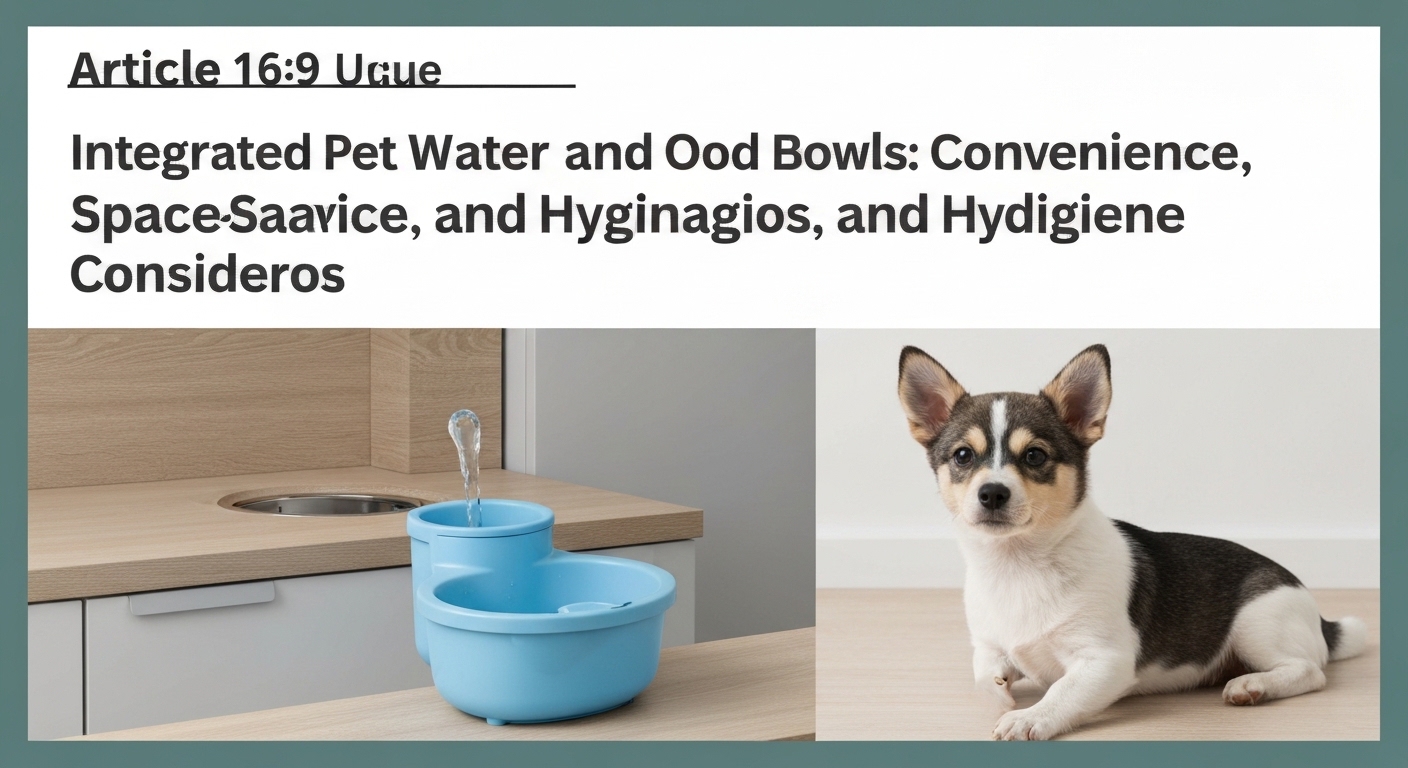
Integrated pet water and food bowls offer a streamlined approach to pet feeding. These systems combine separate dishes into a single unit, designed to hold both your pet's daily meals and fresh water. This consolidation appeals to pet owners seeking to optimize their home environment and simplify daily care routines.
The primary appeal of these combined units lies in their ability to enhance convenience, conserve space, and improve organization. By consolidating two essential components into one footprint, they reduce clutter in feeding areas and simplify setup. This integrated design can make daily feeding tasks more efficient, contributing to a tidier home.
This article will guide you through the practical aspects of selecting an integrated pet water and food bowl system. We will explore key features, material considerations, and potential trade-offs to help you choose a solution that aligns with your pet's specific needs and your home environment, ensuring a confident purchase decision.
Beyond Basics: The Appeal of Combined Pet Feeding Stations
Integrated pet water and food bowls address several common challenges pet owners face with traditional feeding setups. By combining two distinct components into a single unit, these systems offer practical advantages that extend beyond simply holding food and water. They are designed to streamline daily routines and enhance the functionality of a pet's feeding area.
One primary benefit is the significant reduction in clutter and mess. Separate bowls, often placed individually, can lead to scattered kibble, spilled water, and an overall untidy appearance. A combined unit typically features a stable base that holds both dishes securely, minimizing the chances of them being knocked over or moved around. This consolidation can help contain food and water within a designated footprint, making cleanup more manageable and preventing stray kibble from migrating across the floor.
For those in smaller living spaces, or simply seeking a more organized home, integrated feeding stations offer valuable space optimization. Instead of two separate bowls consuming floor space, a single, compact unit occupies less real estate. This unified design can free up valuable kitchen or utility room floor area, contributing to a more open and less cluttered environment. It allows for a dedicated feeding zone that is both functional and tidy.
Improved hygiene and simplified cleaning routines are another key draw. With fewer individual items to manage, the process of cleaning becomes more efficient. Many integrated systems are designed to be easily disassembled or feature dishwasher-safe components, reducing the time and effort required for daily maintenance. Some designs also incorporate features like raised edges or spill-catching trays, which help prevent food and water from mixing or reaching the floor, further contributing to a cleaner feeding area and potentially reducing bacterial growth associated with damp, food-splattered surfaces.
Finally, the aesthetic appeal of a cohesive feeding station can seamlessly integrate into home decor. Rather than two mismatched bowls, a well-designed integrated unit can complement your interior style. Many options are available in various materials, colors, and finishes, allowing pet owners to choose a system that looks intentional and contributes positively to the overall appearance of their home, transforming a utilitarian necessity into a thoughtful design element.
Essential Criteria for Selecting Your Pet's Combined Feeding Station
Choosing an integrated pet water and food bowl system involves evaluating several key features that influence its practicality, hygiene, and suitability for your pet and home. Understanding these criteria helps ensure the system you select provides lasting convenience and supports your pet's well-being.
-
Materials The construction material directly impacts durability, hygiene, and maintenance.
- Stainless Steel: Often favored for its resistance to bacteria, odors, and rust, making it highly hygienic and easy to clean. It's durable and generally dishwasher safe, but can be noisy if bumped.
- Ceramic: Offers aesthetic appeal and significant weight, which helps prevent tipping. However, ceramic bowls can be fragile and may chip or break if dropped, and some glazes might not be as non-porous as stainless steel.
- Plastic: Typically the most affordable and lightweight option, making it portable. However, plastic can scratch over time, creating crevices where bacteria can harbor, and some pets may develop sensitivities to plastic. Regular, thorough cleaning is crucial.
-
Design and Ergonomics The overall design should prioritize your pet's comfort and minimize mess.
- Elevated Stands: Beneficial for larger breeds, older pets, or those with joint issues, as they reduce strain on the neck and back during feeding. Ensure the height is appropriate for your pet's stature.
- Non-Slip Bases: Essential for stability, preventing the bowls from sliding around during enthusiastic eating or drinking, which can reduce spills and pet frustration.
- Spill-Proof Features: While no system is entirely spill-proof, features like raised edges, splash guards, or recessed bowls can significantly contain water splashes and food scatter, keeping your feeding area cleaner.
-
Capacity Matching bowl capacity to your pet's daily consumption and your refill frequency is critical. A system too small might require multiple refills daily, while an excessively large one could lead to stale food or water, or take up unnecessary space. Consider your pet's size, activity level, and whether you're feeding one or multiple pets.
-
Ease of Cleaning Hygiene is paramount for pet health. Look for systems designed for straightforward cleaning.
- Removable Bowls: Bowls that detach easily from the base simplify cleaning and refilling.
- Dishwasher Safe Components: This feature offers the most convenient and thorough sanitation, especially for materials like stainless steel and some ceramics.
- Simple Designs: Fewer nooks, crannies, and complex parts mean less effort required to remove trapped food or grime.
-
Additional Features Some integrated systems offer specialized functionalities that cater to specific needs.
- Automatic Water Dispensers: Can provide a continuous supply of fresh water from a reservoir, ideal for owners with busy schedules or pets who drink a lot.
- Slow Feeder Inserts: Designed to prevent pets from eating too quickly, which can aid digestion and reduce the risk of bloat. These are typically textured inserts placed in the food bowl.
- Travel-Friendly Options: Compact, collapsible, or modular designs can be convenient for trips, though these may prioritize portability over stability or capacity for daily home use.
By carefully weighing these factors, you can identify an integrated pet water and food bowl system that aligns with your pet's needs and integrates seamlessly into your home environment.
Understanding the Limitations and Choosing Wisely
While integrated pet water and food bowls offer clear benefits in terms of convenience and space, it's important to consider their potential limitations to ensure they align with your pet's specific needs and your household dynamics. A balanced understanding helps in making an informed selection that avoids future complications.
- Shared Water Hygiene: A common concern is the potential for food particles to fall into the water bowl. This can contaminate the water, making it less appealing to your pet and potentially reducing their water intake, which is crucial for health. Pets that are particularly messy eaters or those who dunk their kibble may exacerbate this issue, requiring more frequent water changes and bowl cleaning.
- Multi-Pet Household Suitability: In homes with multiple pets, an integrated system can present challenges. If pets have different dietary needs (e.g., prescription diets, age-specific formulas) or varying portion requirements, a single food compartment may not be practical. Furthermore, a dominant pet might guard the combined feeding station, preventing other pets from accessing their food or water freely, leading to stress or unequal consumption.
- Spill and Scatter Potential: Not all integrated designs are equally effective at containing messes. Some configurations might be prone to water spills, especially if the water bowl is shallow or easily tipped by an enthusiastic drinker. Similarly, food scattering can still occur, particularly with shallow food bowls or if your pet tends to push food out while eating. Evaluating the design for features like raised edges or non-slip bases is important.
- Material Durability Over Time: The longevity of an integrated system largely depends on its construction materials. Plastic bowls, while often affordable, can scratch over time, potentially harboring bacteria or absorbing odors. Ceramic can chip or break if dropped. Stainless steel generally offers good durability and hygiene but can dent. Consider how the material will withstand daily use, cleaning, and your pet's habits to avoid premature replacement.
- Specific Health Considerations: For pets with particular health conditions, an integrated system might not always be the best fit. Pets requiring precise, measured meals (e.g., for diabetes or weight management) may benefit from separate, controlled feeding stations. Additionally, pets with mobility issues might need elevated bowls or specific bowl depths that not all integrated units offer, necessitating a more tailored solution.
By carefully evaluating these potential trade-offs against your pet's habits, your home environment, and any specific needs, you can confidently choose an integrated pet water and food bowl system that genuinely serves its purpose without introducing unforeseen challenges.
Finding the Perfect Fit: Matching the Right Bowl to Your Pet and Home
Selecting an integrated pet water and food bowl system moves beyond general features to a personalized assessment of your pet's unique needs and your household's practicalities. The ideal choice harmonizes with your pet's physical characteristics and behaviors, while also fitting seamlessly into your daily routine and living space.
Consider these factors to align a system with your specific circumstances:
-
Pet Size and Breed Considerations Your pet's physical stature and breed-specific traits are primary drivers for bowl selection.
- Large Breeds: Taller dogs often benefit from elevated feeding stations, which can promote more comfortable posture during meals and reduce strain on their neck and joints. Ensure the height is appropriate for their standing position.
- Small Breeds and Puppies: Require lower, easily accessible bowls to prevent stretching or discomfort.
- Brachycephalic (Flat-Faced) Breeds: Breeds like Pugs, Bulldogs, or Persian cats may struggle with deep bowls. Shallow, wider bowls can make eating and drinking easier, reducing facial strain and potential mess.
- Long-Eared Breeds: Dogs with long ears, such as Basset Hounds or Cocker Spaniels, can benefit from narrower, deeper bowls that keep their ears out of their food and water, promoting hygiene.
-
Pet's Eating and Drinking Habits Observe how your pet interacts with their current bowls to identify specific needs.
- Messy Eaters/Drinkers: If your pet tends to spill or splash, look for systems with raised edges, anti-spill designs, or integrated mats that can contain mess. Some designs feature splash guards around the water reservoir.
- Fast Eaters: For pets that eat too quickly, consider integrated bowls that incorporate slow-feeder inserts. This can help regulate their pace and aid digestion.
- Bowl Movers: If your pet frequently pushes or tips their bowls, a heavier ceramic unit or one with non-slip feet or a wide, stable base is essential.
-
Owner's Lifestyle and Maintenance Preferences Your routine and willingness to maintain the system play a significant role.
- Frequent Travel: If you travel often, consider systems with larger water reservoirs or automatic features that can dispense water over several days, reducing the need for daily refills by a pet sitter.
- Preference for Automation: Automatic integrated systems can offer convenience by refilling water or dispensing food at set times. However, these often require more complex cleaning and regular monitoring of batteries or power sources.
- Cleaning Routine: If you prefer minimal effort, prioritize systems made from dishwasher-safe materials like stainless steel or certain ceramics, and designs with easily removable components. Avoid intricate designs with many crevices that can harbor bacteria.
-
Home Environment and Available Space The physical space where the bowls will reside dictates the system's footprint.
- Limited Space: Compact, single-unit designs are ideal for smaller apartments or kitchens. Wall-mounted options can also save floor space.
- Dedicated Feeding Area: If you have more room, a larger, more elaborate system with integrated storage or a wider drip tray might be suitable.
- Aesthetics: Consider how the system's material and color will blend with your home decor. While functionality is key, visual integration can enhance your living space.
-
Budgetary Considerations and Long-Term Value Initial cost is a factor, but also weigh the long-term benefits and potential replacements.
- Initial Investment: Prices vary significantly based on materials, features (e.g., automatic dispensers, filtration), and brand. Determine what features are essential versus desirable.
- Durability: A higher initial investment in durable materials like stainless steel or robust ceramic can translate to longer product life and fewer replacements, offering better long-term value.
- Maintenance Costs: Factor in potential ongoing costs for filters (if applicable for water dispensing systems) or replacement parts.
- Health Benefits: Investing in a system that promotes better posture, hygiene, or controlled eating can contribute to your pet's long-term health, potentially reducing veterinary costs associated with digestive issues or joint strain.
Common Questions About Integrated Pet Bowls
Understanding the practicalities of integrated pet water and food bowls can help pet owners make an informed choice. Here are answers to frequently asked questions about these combined feeding systems.
Are integrated bowls hygienic for all pets?
The hygiene of an integrated bowl system largely depends on its design and how diligently it's maintained. Many designs incorporate separate compartments or raised dividers to minimize cross-contamination between food and water.
- Design: Look for models with easily removable, smooth-surfaced inserts (like stainless steel or ceramic) that are simple to clean.
- Maintenance: Regular, thorough cleaning is essential. Food residue and water can quickly become breeding grounds for bacteria if neglected.
- Pet Habits: For pets that are particularly messy eaters, prone to splashing water into their food, or in multi-pet households where food aggression or specific dietary needs are a concern, separate bowls might offer better control over hygiene and individual consumption.
Can I use an integrated bowl for both wet and dry food?
Yes, many integrated bowls can accommodate both wet and dry food, but certain considerations apply:
- Dry Food: Most integrated food compartments are well-suited for dry kibble.
- Wet Food: If using wet food, prioritize designs with removable, non-porous food bowls that can be easily detached and cleaned immediately after each meal. This prevents bacterial growth and unpleasant odors, which are more common with wet food left out. Materials like stainless steel or ceramic are often preferred for wet food due to their ease of cleaning.
How often should I clean an integrated pet bowl?
Consistent cleaning is vital for your pet's health. The frequency depends on several factors:
- Water Compartment: The water bowl should be rinsed and refilled with fresh water daily. A thorough cleaning with soap and water is recommended every 1-2 days to prevent biofilm (slime) buildup.
- Food Compartment: For dry kibble, daily cleaning is usually sufficient. If feeding wet food, the food bowl should be cleaned after every meal to remove residue.
- Overall Unit: The entire integrated unit, including the base and any non-removable sections, should be wiped down and cleaned at least weekly, or more often if there's visible dirt, spills, or odor.
Are there integrated bowls suitable for outdoor use?
Yes, some integrated bowls are designed with outdoor conditions in mind. When selecting one for outdoor use, consider:
- Material Durability: Look for weather-resistant materials such as heavy-duty plastic, stainless steel, or certain ceramics that can withstand temperature fluctuations and exposure to elements.
- Stability: A heavier base or non-slip feet can prevent tipping by wind or playful pets.
- Protection: Elevated designs can help keep pests out of the food and water. Consider placement in a shaded area to keep water cool and prevent food spoilage.
- Capacity: Larger capacities might be beneficial for pets that spend extended periods outdoors.
What's the difference between an integrated bowl and an automatic feeder?
While both aim to streamline pet feeding, their primary functions differ:
- Integrated Bowl: This system combines static food and water dishes into a single, often compact unit. Its main purpose is to save space and organize the feeding area, providing constant access to both food and water.
- Automatic Feeder: An automatic feeder's core function is to dispense food (and sometimes water) automatically at pre-programmed times or in specific portion sizes. It typically includes a larger reservoir for food and is designed for scheduled feeding, portion control, or when pet owners are away. Some automatic feeders may include an integrated water dish, but the automated dispensing mechanism is their defining feature.
Making an Informed Choice for Your Pet's Well-being
Selecting an integrated pet water and food bowl system involves weighing its core benefits—enhanced convenience, space efficiency, and improved hygiene—against specific design elements and material choices. Throughout this guide, we've explored how features like non-slip bases, elevated designs, material durability, and ease of cleaning directly impact the daily experience for both you and your pet. These considerations are crucial for ensuring the system functions as intended and integrates seamlessly into your home.
Ultimately, the most effective integrated feeding solution is one that aligns closely with your pet's individual needs and your household's routine. Consider your pet's size, eating and drinking habits, potential for mess, and any specific health requirements. Simultaneously, evaluate how the system fits into your lifestyle, including available space, cleaning preferences, and aesthetic considerations. Prioritizing these factors ensures that the chosen system genuinely enhances daily care rather than adding complexity.
A well-chosen integrated pet water and food bowl system can streamline feeding times, contribute to a tidier home environment, and support your pet's overall well-being. By carefully evaluating the available options against practical criteria and understanding the trade-offs, you can confidently select a system that provides lasting value and simplifies one of your most important daily responsibilities as a pet owner.