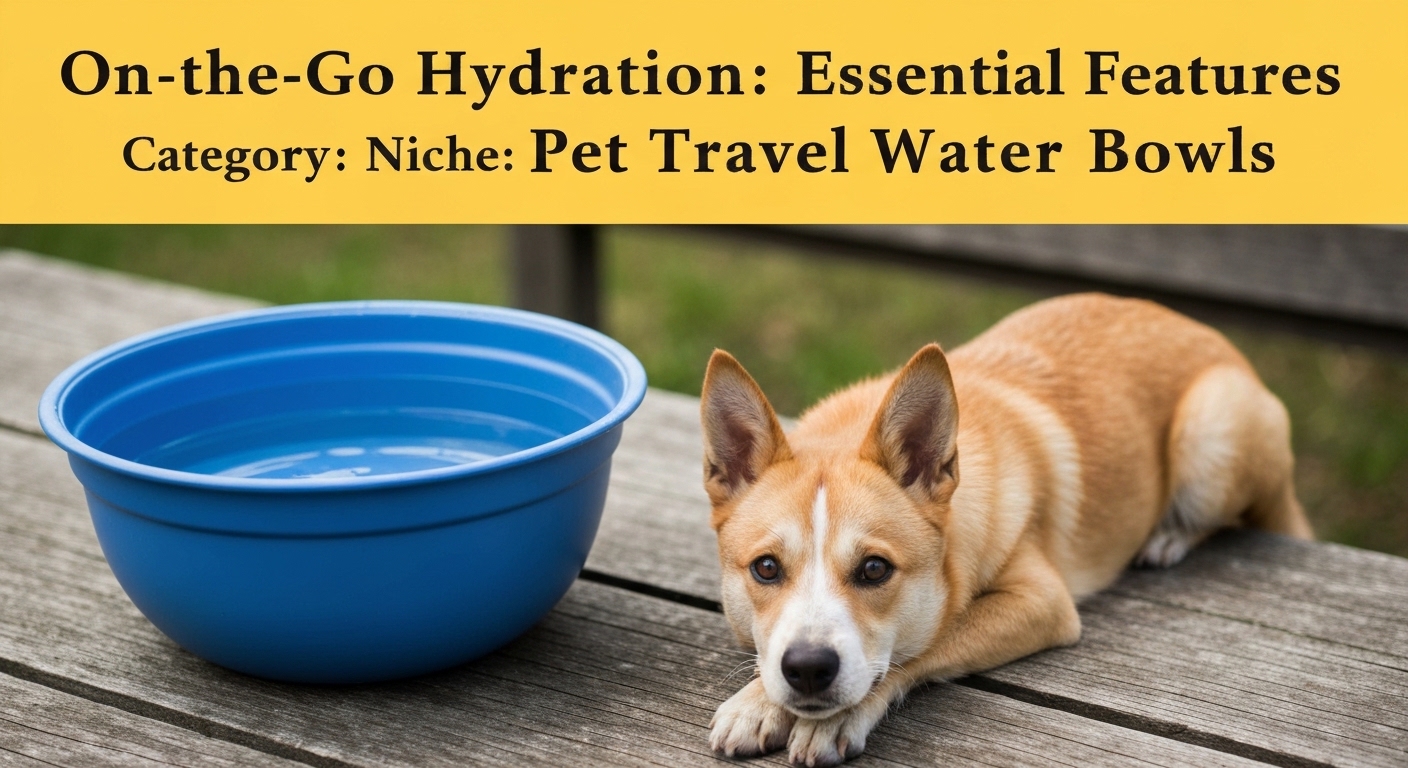
On-the-Go Hydration: Essential Features for Pet Travel Water Bowls
Hotel Practice constraints and demand
Traveling with a pet frequently involves overnight stays in hotels, which introduces distinct considerations for maintaining your pet's hydration. Unlike familiar home settings, hotel rooms are temporary, often featuring carpeted floors and limited space, alongside specific property guidelines. This environment necessitates a thoughtful approach to pet care supplies.
The core objective in a hotel is to ensure your pet has reliable access to fresh water without creating mess, causing damage to hotel property, or incurring additional cleaning fees. Achieving this outcome requires a pet travel water bowl that integrates seamlessly into a confined, unfamiliar space while prioritizing cleanliness and ease of management.
Specific constraints and demands arise from the hotel environment that influence the selection of a pet travel water bowl:
- Spill Mitigation: Hotel carpets and furnishings are susceptible to water damage, making bowls with effective spill-prevention features or stable designs essential.
- Space Optimization: Limited floor space in rooms necessitates bowls that are compact, collapsible, or easily storable when not actively in use.
- Ease of Cleaning: Access to extensive cleaning facilities is often restricted, requiring bowls that are simple to rinse and sanitize using only a bathroom sink.
- Quick Setup and Pack-Up: The need for bowls that can be quickly deployed upon arrival and efficiently packed away for daily excursions or departure.
- Adherence to Policies: Selecting a bowl that helps you comply with any specific pet-related rules the accommodation may have regarding in-room pet supplies.
Packable fit criteria for this setting
When selecting a pet travel water bowl, its ability to integrate seamlessly into your travel gear without adding undue bulk or complication is paramount. This checklist helps evaluate how well a bowl fits the demands of on-the-go hydration.
- Collapsed Footprint: Assess the bowl's dimensions when folded or collapsed. A smaller, flatter profile is generally more desirable for fitting into backpacks, car consoles, or luggage without creating awkward bulges.
- Empty Weight: Prioritize bowls made from lightweight materials. Every gram can contribute to overall carry-weight, especially on longer excursions where water itself adds significant mass.
- Material Durability: Consider materials that can withstand repeated folding, impacts, and temperature changes without cracking or tearing. Silicone, certain fabrics, and robust plastics are common choices for travel.
- Leak Prevention (Empty or Residual): A critical factor is how well the bowl prevents leaks when not in active use, especially if it's packed away with residual moisture or if its design inherently allows water to escape when collapsed. Look for secure closures or designs that minimize trapped water.
- Ease of Cleaning On-the-Go: Evaluate how easily the bowl can be rinsed or wiped clean with limited resources. Smooth, non-porous surfaces are generally simpler to maintain hygienically while traveling.
- Stability When Full: While packed, the bowl is collapsed. When in use, it needs to be stable on various surfaces to prevent accidental spills. A bowl that tips easily risks wasting precious water and requiring immediate refills.
- Attachment Mechanism: Bowls with integrated carabiners, loops, or straps can be attached externally to bags, saving internal packing space and allowing for quick access without rummaging.
Deal Breakers to Consider:
- Rigid or Non-Collapsible Design: Bowls that maintain a fixed, bulky shape can be impractical for efficient packing, especially in smaller bags or limited vehicle space.
- Porous or Absorbent Materials: Fabrics or materials that absorb water can retain odors, become heavy when wet, and dry slowly, posing hygiene and weight challenges during travel.
- Unreliable Seams or Closures: Any design flaw that allows water to leak, even when the bowl is empty but damp, can compromise other packed items and increase perceived carry-weight.
Without specific product performance data, evaluating these criteria often relies on visual inspection, understanding general material properties, and considering design principles. Focus on bowls whose construction and features align with these travel-specific needs, rather than relying on definitive claims of "best" performance.
Carry-Weight workflow in practice
Managing a pet travel water bowl effectively involves a workflow that prioritizes minimizing carry-weight while ensuring your pet stays hydrated. This practical approach considers the bowl's empty weight, the water it holds, and the ease of use and maintenance during transit.
Daily Use Considerations
Integrating a travel water bowl into your daily outings or longer trips means making conscious decisions about water sourcing and packing.
- Pre-trip Packing: When preparing, select a bowl that is lightweight and collapses or folds compactly to reduce its empty weight in your bag. Decide if you will carry water from home or rely on filling stations at your destination. Carrying water adds significant weight, so evaluate your pet's needs against available refill options.
- On-the-Go Hydration: During use, fill the bowl only with the amount of water your pet will consume immediately to avoid carrying excess weight. If using a bottle-integrated design, this allows for controlled dispensing. For separate bowls, consider pouring from a larger, shared water bottle to manage quantity.
- Repacking: Before moving to the next location or packing away for the day, empty any remaining water from the bowl. This prevents unnecessary weight from sloshing liquids and minimizes the risk of leaks onto other gear.
Setup Checks for Travel
Before and during your journey, quick checks ensure the bowl functions as intended without adding unexpected bulk or complications.
- Leak Prevention: For collapsible or bottle-integrated bowls, inspect seals and closures before filling and after each use. A compromised seal can lead to spills, requiring you to carry more water or deal with wet belongings, increasing overall perceived weight.
- Cleanliness Assessment: Ensure the bowl is free of debris, dirt, or residual food before adding fresh water. Contaminants can not only affect water quality but also add slight, unnecessary weight or odors that make the bowl less appealing to carry.
- Structural Integrity: Briefly check the bowl for any tears, cracks, or damage that might compromise its function or durability. A damaged bowl might require a heavier, less convenient backup solution, or force you to carry more bottled water if it cannot hold liquid reliably.
Maintenance on the Move
Maintaining your pet travel water bowl effectively on the go focuses on hygiene and readiness for the next use, without adding significant effort or specialized equipment.
- Immediate Rinse: After each use, a quick rinse with fresh water helps remove saliva and any remaining particles. This prevents buildup that could lead to odors or require a more thorough, weight-adding cleaning later.
- Quick Dry: Whenever possible, air dry the bowl before repacking. Materials like silicone or certain plastics dry quickly, preventing moisture accumulation that could foster bacterial growth or add dampness to your bag. If air drying isn't feasible, a quick wipe with a clean cloth suffices until a proper wash is possible.
- Thorough Cleaning (Post-Trip): Upon returning home, perform a comprehensive wash with pet-safe soap and water. Ensure all crevices are cleaned and the bowl is completely dry before storing it. This prepares the bowl for its next outing, maintaining its lightweight and hygienic state.
Thin-Surface Compromise and Fit Warnings
When evaluating pet travel water bowls, some designs prioritize extreme portability or compact storage, which can introduce compromises in stability and practical utility. These "thin-surface" or minimalist bowls often feature lighter materials or collapsible structures that, while convenient for packing, may not always stand up to the dynamic conditions of pet travel. Understanding these potential trade-offs is key to ensuring the bowl meets your specific use-case needs.
Risk signals that a bowl might present a "thin-surface" compromise include:
- Ultra-lightweight construction: While appealing for portability, very thin or flexible materials can make a bowl prone to tipping, especially when partially filled or used by an eager pet.
- Shallow depth: Bowls with minimal depth may not hold enough water for longer stops or larger breeds, requiring frequent refills. They are also more susceptible to spillage during movement.
- Lack of a stable base: Designs without a wide, weighted, or non-slip base can easily slide or overturn on various surfaces, from car seats to outdoor terrain.
- Overly flexible sidewalls: Collapsible bowls are excellent space-savers, but if the sidewalls are too flimsy, they can collapse inward while a pet is drinking, leading to splashes or frustration.
Certain travel scenarios or pet characteristics may make these minimalist designs less suitable. You might want to reconsider such bowls if:
- You travel with large or energetic pets: Their drinking style can easily overturn lighter, less stable bowls.
- Your trips involve uneven terrain or frequent stops/starts: A stable base is crucial to prevent spills in a moving vehicle or on outdoor surfaces.
- You need significant water capacity: Very compact bowls often sacrifice volume, necessitating more frequent refilling from a separate water source.
- Your pet is a messy drinker: Shallow or flexible bowls can exacerbate splashes and spills, potentially soaking your vehicle or gear.
Before committing to a purchase, consider the specific demands of your pet's drinking habits and your typical travel environment. If a bowl's design suggests potential instability or insufficient capacity for your needs, it may lead to frustration and inadequate hydration for your pet. Always review the retailer's return policy, particularly if you are unsure about a product's real-world performance. A clear understanding of the return process can mitigate risk if the bowl's compromises prove to be a poor fit for your travel workflow.
Pet Travel Water Bowls FAQ
When is a dedicated pet travel water bowl truly necessary for on-the-go hydration?
A specialized pet travel water bowl becomes particularly useful when your travel workflow requires consistent, convenient access to water without the bulk or mess of a standard home bowl. This includes scenarios like extended walks, car trips, hikes, or visits to places where public water sources for pets are unreliable or unhygienic. While a short, planned outing might not always require one, longer durations or unpredictable access to water make a dedicated bowl an essential part of an efficient hydration plan, ensuring your pet stays hydrated without interrupting your activity.
What are the practical limitations of using everyday bowls or human containers as alternatives during pet travel?
Relying on non-specialized alternatives can introduce several workflow challenges. Standard home bowls are often bulky, heavy, and prone to spilling in transit, making them impractical for packing and quick deployment. Using human water bottles or containers typically requires awkward pouring or positioning, which can be inefficient, messy, and less comfortable for your pet to drink from. Furthermore, public water sources or shared bowls might pose hygiene concerns, impacting your pet's health and requiring additional cleaning steps in your travel routine.
Beyond simply holding water, what practical value do pet travel water bowls add to the overall travel experience?
The value of a pet travel water bowl extends beyond basic hydration by streamlining the entire on-the-go care workflow. They are designed for portability, often featuring collapsible or foldable designs that minimize carry-weight and pack efficiently. Their construction frequently addresses spill reduction during active use, helping maintain cleanliness in your vehicle or gear. This dedicated design ensures quick setup and pack-up, reducing friction in your travel routine and allowing for more frequent, stress-free hydration stops, which contributes to your pet's comfort and well-being during any journey.
Travel-Ready recommendation path
Deciding on the optimal pet travel water bowl ultimately depends on how it integrates into your specific travel workflow and your pet's hydration needs on the move. The core decision is whether the practical benefits of a dedicated travel bowl align with your typical journeys and pet's drinking habits.
If your travel scenarios frequently involve:
- Planned stops: Where you can pause to offer water in a stable, open vessel.
- Multiple pets or larger breeds: Requiring a wider drinking surface for comfort.
- Access to refill sources: Relying on external water supplies rather than an integrated reservoir.
- Prioritizing ease of cleaning: Opting for designs that simplify maintenance during transit.
Then, a specialized pet travel water bowl is likely a suitable addition to your gear. It offers a dedicated solution designed for portability and pet-friendly access, distinct from general-purpose bowls or integrated water bottles.
Your next step should involve evaluating the specific features discussed—such as material, capacity, collapsibility, and leak-proof mechanisms—against your personal travel patterns. Consider the trade-offs between carry-weight, durability, and ease of use within your most common travel environments, whether it's a short hike, a long road trip, or a flight. This assessment will clarify if a travel water bowl is the right tool to support your pet's hydration workflow.
More in Pet Water Bowls
View All