Heated Pet Water Bowls: Essential Features for Winter Hydration and Cold Climates
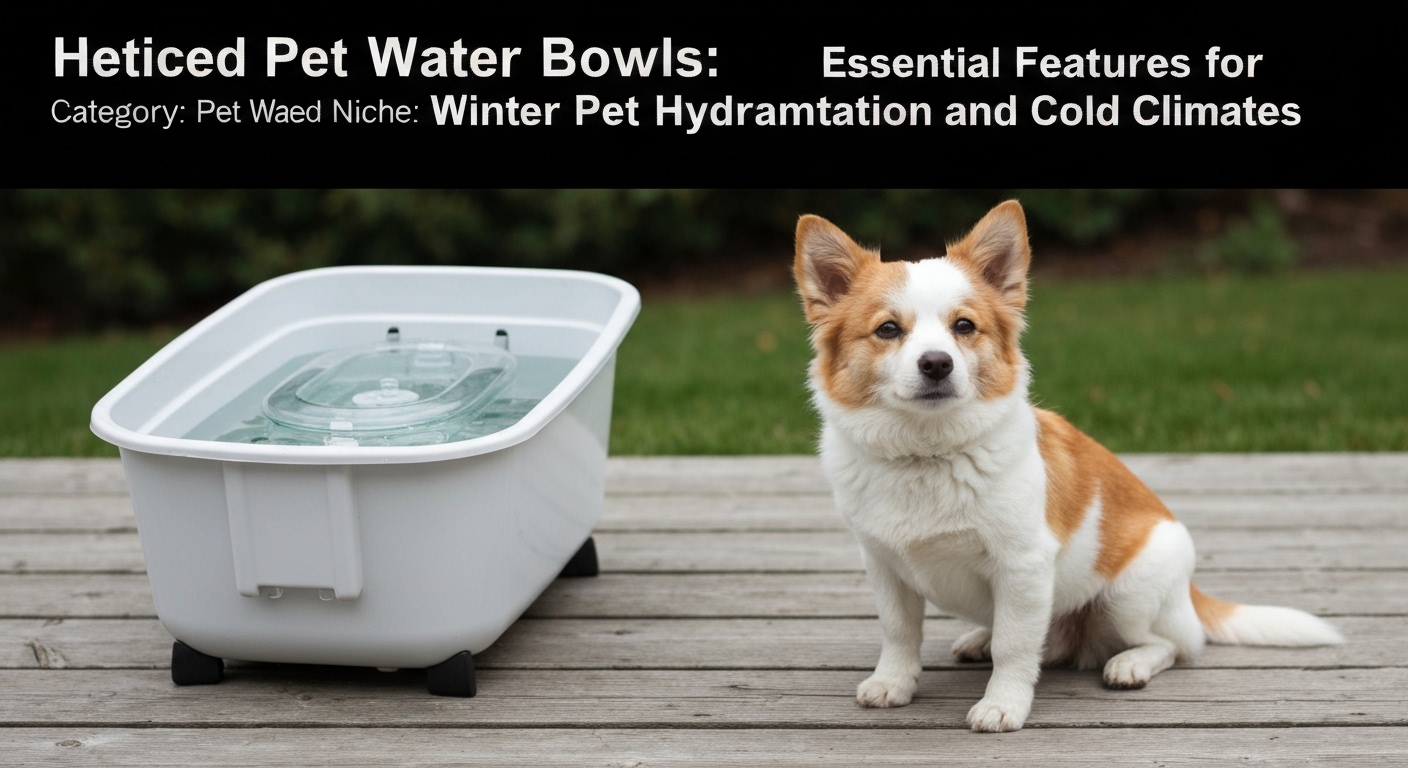
Keeping Your Pet Hydrated in Freezing Temperatures: Why Heated Bowls Matter
Maintaining consistent hydration is crucial for a pet's health, regardless of the season. In cold climates or during winter, pets expend more energy to stay warm, increasing their need for readily available water. Dehydration can compromise their immune system, affect organ function, and lead to serious health complications, making access to fresh, unfrozen water a year-round necessity.
The primary challenge pets face in freezing temperatures is the rapid solidification of their water supply. Outdoor water bowls can freeze solid within hours, rendering the water inaccessible. Even indoor bowls placed near drafty windows, in unheated garages, or in outdoor kennels can quickly become blocks of ice. When water is frozen, pets may attempt to consume snow or ice, which is not an adequate substitute for liquid water and can further lower their body temperature, posing additional risks.
Heated pet water bowls offer a fundamental solution to this critical problem. Designed with a built-in heating element, these bowls prevent water from freezing, ensuring a continuous supply of liquid water for your pet, day and night. This simple innovation safeguards against the dangers of dehydration in cold weather, providing peace of mind for pet owners and essential hydration for their companions.
This article will guide you through the essential features of heated pet water bowls, helping you understand the criteria for selection, the trade-offs involved, and how to ensure the best fit for your pet's needs and your specific environment. We'll also address important safety considerations to help you make an informed and practical choice for winter hydration.
How Heated Pet Water Bowls Work and Their Core Benefits
Heated pet water bowls address the critical challenge of maintaining liquid water for pets in freezing temperatures. At their core, these bowls incorporate an integrated heating element designed to keep the water above 32°F (0°C), preventing ice formation. This continuous, low-level heating ensures a consistent supply of potable water, even when ambient temperatures drop significantly below freezing.
The most prevalent type is the electric heated bowl, which plugs into a standard electrical outlet. These often feature a built-in thermostat that automatically activates the heating element when the water temperature approaches freezing and deactivates it once a safe temperature is reached. Materials commonly include durable plastics, stainless steel, or ceramic, each offering different levels of insulation and ease of cleaning, often with the heating element safely sealed within the bowl's base. While some bowls are purely insulated to slow down freezing, true "heated" bowls actively generate warmth to counteract cold.
For pets, the primary health benefit is uninterrupted access to water, which is vital for hydration. In cold climates, pets may be less inclined to drink icy water, leading to potential dehydration that can strain kidneys and impact overall health. A heated bowl ensures the water remains palatable and accessible, encouraging consistent fluid intake. This constant availability supports essential bodily functions and helps pets regulate their temperature more effectively.
Pet owners gain significant convenience and peace of mind. The need to frequently check, chip ice from, or replace frozen water bowls is eliminated, freeing up time and effort, especially during severe weather. Knowing that pets have a reliable water source reduces worry about their hydration needs, particularly for outdoor pets or those with limited indoor access. This also minimizes the mess and potential hazards associated with spilled ice or overflowing bowls.
Essential Features to Consider When Choosing a Heated Pet Water Bowl
Selecting the right heated pet water bowl requires careful consideration of features that ensure safety, durability, and effective hydration in cold conditions. A detailed evaluation of these practical aspects will help pet owners find a bowl that reliably meets their specific needs and environment.
-
Power Source and Safety Mechanisms: Given the electrical nature of these bowls, safety is paramount.
- Chew-Resistant Cords: Look for cords encased in steel or heavy-duty, reinforced plastic to deter pets from chewing, which can prevent electrical hazards.
- Thermostatic Control: An integrated thermostat is crucial for maintaining water temperature just above freezing without overheating, preventing discomfort for your pet and conserving energy.
- Automatic Shut-Off: Some models include a feature that turns off the heating element if the water level drops too low, preventing damage to the unit and potential fire risks.
- Ground Fault Circuit Interrupter (GFCI) Compatibility: For outdoor use, ensuring the bowl is compatible with or designed to be plugged into a GFCI outlet adds a critical layer of electrical safety.
-
Material and Durability: The construction materials directly impact the bowl's longevity and your pet's health.
- BPA-Free Plastic: If choosing a plastic bowl, verify it is BPA-free to avoid potential chemical leaching into your pet's drinking water.
- Stainless Steel: Often preferred for its durability, resistance to rust, and ease of cleaning, stainless steel is a robust option.
- Heavy-Duty Construction: Regardless of material, sturdy construction is vital, especially for outdoor bowls, to withstand environmental exposure and potential pet interaction.
-
Capacity and Size Considerations: Matching the bowl to your pet's needs ensures adequate hydration and reduces the frequency of refills.
- Pet Size: Smaller bowls suit small breeds, while larger dogs or multiple pets require greater capacity (e.g., 1-gallon or more) to prevent water from running out quickly.
- Refill Frequency: Consider how often you are able to refill the bowl; a larger capacity means less frequent attention.
-
Ease of Cleaning and Maintenance: Regular cleaning is essential for hygiene, so choose a design that simplifies this task.
- Removable Components: Bowls with detachable heating elements or removable inserts allow for thorough cleaning of all water-contacting surfaces.
- Dishwasher-Safe Parts: Some bowls offer components that can be safely cleaned in a dishwasher, streamlining maintenance.
- Smooth Surfaces: Designs with minimal crevices are easier to wipe down and less likely to harbor bacteria or algae.
-
Weather Resistance and Outdoor Suitability: For bowls intended for outdoor use, specific features are necessary to withstand the elements.
- IP Rating: While not always explicitly stated for pet products, a design that indicates resistance to moisture and dust ingress is beneficial for outdoor models.
- Sealed Electronics: Outdoor bowls should have fully sealed electrical components to prevent water damage and ensure safe operation in rain or snow.
- Insulated Design: Some outdoor bowls incorporate insulation to improve heating efficiency and maintain water temperature in extreme cold.
-
Non-Slip Base: Stability is key to preventing spills and ensuring continuous access to water.
- Rubberized Feet: A base with non-slip rubber feet helps keep the bowl in place, even with enthusiastic drinkers.
- Weighted Base: Some designs feature a heavier base to resist tipping, particularly useful for larger, more active pets.
Important Considerations, Trade-offs, and Potential Risks
While heated pet water bowls offer a vital solution for winter hydration, their use introduces practical considerations, potential trade-offs, and safety risks that pet owners should understand. Addressing these factors proactively can ensure both pet safety and owner peace of mind.
One primary consideration is energy consumption. Heated bowls require continuous electricity to prevent freezing, which will contribute to your utility bills. The exact impact depends on the bowl's wattage, ambient temperature, and duration of use. Owners should weigh the benefit of constant unfrozen water against the ongoing operational cost.
Placement is critical for both safety and effectiveness.
- Power Outlets: Bowls need to be near a safe, accessible power source. Avoid overloading circuits or using long extension cords, especially outdoors, unless they are specifically rated for outdoor use and heavy-duty applications.
- Outdoor Exposure: If placing a bowl outside, ensure it is rated for outdoor use and protected from direct rain or heavy snow. Water ingress into electrical components can create significant hazards.
- Chewing Hazards: Pets, particularly puppies or those with a tendency to chew, can damage electrical cords. This poses a serious risk of electric shock or fire. Position cords out of reach, or use chew-proof cord protectors to mitigate this danger.
Pet compatibility also plays a role. While most pets can use a heated bowl, consider your pet's size and habits. Larger breeds might require a larger capacity bowl that maintains temperature effectively. Pets known for aggressive chewing should be closely monitored with any electrical device, and extra precautions taken to secure cords.
Electrical safety risks are paramount. Beyond cord damage from chewing, inspect the entire unit regularly for signs of wear and tear, such as frayed wires, cracked housing, or corrosion on electrical contacts. For outdoor use, always ensure the bowl is plugged into a Ground Fault Circuit Interrupter (GFCI) outlet, which can detect electrical faults and cut power, preventing shocks. Never use a damaged heated bowl.
Routine maintenance extends beyond daily cleaning. Before and during the cold season, perform thorough checks:
- Inspect the power cord for nicks, cuts, or brittleness.
- Examine the heating element area for any signs of damage or loose connections.
- Ensure the bowl's housing is intact, especially if it's an outdoor model exposed to the elements.
- Confirm the heating function is working correctly before relying on it in freezing temperatures.
Finally, understand the distinction between indoor and outdoor products. Indoor heated bowls are typically simpler, designed for less harsh conditions, and may lack robust weatherproofing. Outdoor-rated bowls are constructed with more durable, weather-resistant materials, often feature sealed electrical components, and are designed to withstand lower temperatures and environmental exposure. Using an indoor-rated bowl outdoors can lead to premature failure and significant safety hazards. Always verify the product's intended use before purchase.
Making the Best Choice: Matching a Heated Bowl to Your Pet's Needs
Selecting the optimal heated pet water bowl requires a systematic approach, ensuring it effectively addresses cold weather challenges while suiting your pet's unique requirements and your household's practicalities. This framework helps prioritize features and make an informed decision.
Begin by evaluating your specific environment and your pet's interaction with the bowl. This foundational step dictates many subsequent choices.
- Climate Conditions:
- Minimum Temperatures: How low do temperatures typically drop? This influences the heating power needed.
- Exposure: Will the bowl be used indoors, in a sheltered outdoor area (e.g., garage, covered porch), or fully exposed to the elements? Outdoor bowls require weather-resistant construction and insulation.
- Power Access: Identify readily available, safe electrical outlets. For outdoor use, a GFCI-protected outlet is crucial.
- Pet Hydration Needs:
- Pet Size and Number: A single small cat will have vastly different capacity needs than multiple large dogs. Ensure the bowl holds enough water to last between refills, especially if you're away for extended periods.
- Drinking Habits: Some pets are messy drinkers, others are gentle. Consider bowl design elements that might mitigate splashes or spills.
- Chewing Tendencies: If your pet is prone to chewing, prioritize bowls with chew-resistant cords or integrated cord protection, or plan for external cord management solutions.
Next, prioritize factors that are non-negotiable for safety and longevity.
- Safety First:
- Electrical Certification: Look for bowls certified by reputable safety organizations (e.g., UL listed).
- Cord Protection: A robust, chew-resistant cord is essential, especially for outdoor use or with curious pets.
- Automatic Shut-off: Some bowls feature an automatic shut-off if the water level drops too low, preventing overheating.
- Durability and Materials:
- Construction Material: Stainless steel offers durability and is easy to clean, while heavy-duty plastics can be impact-resistant. Avoid brittle materials that might crack in extreme cold.
- Weather Resistance: For outdoor bowls, ensure all components are sealed against moisture and corrosion.
Finally, consider the practical aspects of daily use and long-term maintenance.
- Ease of Use:
- Refilling: Is the bowl easy to refill without disconnecting power?
- Stability: Does the bowl have a wide base or anti-slip feet to prevent tipping?
- Maintenance:
- Cleaning: Can the heating element be easily detached for thorough cleaning, or is the entire unit submersible (if rated for it)? Regular cleaning is vital for hygiene.
- Cord Management: Is the cord length appropriate for your setup, or will you need an extension cord (rated for outdoor use if applicable)?
To evaluate your options systematically, follow these steps:
- Define Your Environment: Determine where the bowl will be placed (indoors/outdoors, sheltered/exposed) and the typical lowest temperatures.
- Assess Your Pet(s): Note their size, number, and any specific behaviors like chewing.
- Prioritize Safety Features: Filter options based on robust electrical safety, certifications, and cord protection.
- Match Capacity and Material: Select a size that meets your pet's hydration needs and a material suitable for your climate and durability expectations.
- Consider Practicality: Evaluate ease of cleaning, refilling, and overall stability for your daily routine.
- Compare and Select: Weigh the remaining options against your specific criteria, recognizing that the "best" bowl is the one that most effectively meets your unique circumstances.
Common Questions About Heated Pet Water Bowls
Addressing frequently asked questions can help clarify common concerns and provide practical guidance for pet owners considering heated water bowls for cold weather.
-
Are heated pet bowls safe for continuous use? Most heated pet bowls are designed for continuous operation during cold periods, provided they are used according to manufacturer instructions. Key safety considerations include ensuring the bowl is placed on a stable, non-flammable surface, using a ground-fault circuit interrupter (GFCI) outlet, and regularly inspecting the cord and heating element for any damage or wear.
-
How much electricity do heated pet bowls typically consume? Electricity consumption varies depending on the bowl's wattage, the ambient temperature, and how frequently the heating element activates. Generally, these bowls are designed to be energy-efficient, using only enough power to prevent freezing. Owners can typically find wattage specifications on the product, which can help estimate potential usage.
-
Can I use a heated pet bowl indoors? While primarily designed for outdoor or unheated spaces to prevent freezing, a heated pet bowl can be used indoors if a specific area of your home is consistently cold enough to risk water freezing (e.g., an unheated garage, a drafty porch, or a basement). For typical indoor temperatures, a heated bowl is generally unnecessary and may lead to increased evaporation.
-
How often should a heated pet bowl be cleaned? Heated pet bowls should be cleaned as frequently as any other pet water bowl, ideally daily. The warmth provided by the heating element can sometimes encourage faster bacterial growth or algae formation, making consistent cleaning crucial for your pet's health. Use pet-safe cleaning solutions and rinse thoroughly.
-
What is the ideal water temperature for pets? The primary function of a heated pet bowl is to keep water from freezing, not to warm it significantly. Pets generally prefer cool, fresh water. The ideal temperature is typically just above freezing, ensuring it is liquid and accessible without being uncomfortably warm.
-
What if my pet chews on the cord? Cord chewing is a significant safety risk. Many heated bowls feature chew-resistant cords, but no cord is entirely indestructible. If your pet is prone to chewing, consider models with reinforced cords or use cord protectors. Always supervise your pet, especially initially, and position the bowl so the cord is inaccessible or protected from chewing.
Ensuring Winter Hydration for a Happy, Healthy Pet
The consistent availability of unfrozen water is a cornerstone of pet well-being, especially when temperatures drop. Heated pet water bowls address the critical challenge of ice formation, ensuring your companion has uninterrupted access to vital hydration, whether they reside indoors, outdoors, or in transitional spaces like garages. This simple yet effective solution prevents the health risks associated with dehydration in cold environments, from compromised immune function to more severe organ stress.
Selecting the right heated bowl involves a practical assessment of key criteria. Prioritizing features such as robust safety mechanisms, appropriate capacity for your pet's size and needs, and durable construction materials suited to your specific climate are essential. Understanding the power requirements and potential trade-offs, like cord management for safety, allows for an informed decision that aligns with your home and pet's routine.
Ultimately, investing in a well-chosen heated pet water bowl is a direct contribution to your pet's comfort and longevity during winter. It offers a reliable defense against the elements, supporting kidney function, maintaining overall vitality, and ensuring your furry friend remains hydrated and healthy. Taking the time to evaluate these options is a proactive step toward safeguarding your pet's welfare, providing peace of mind throughout the coldest months.