Pioneer Pet Water Fountain Filters: Quality, Compatibility, and Value for Pet Owners
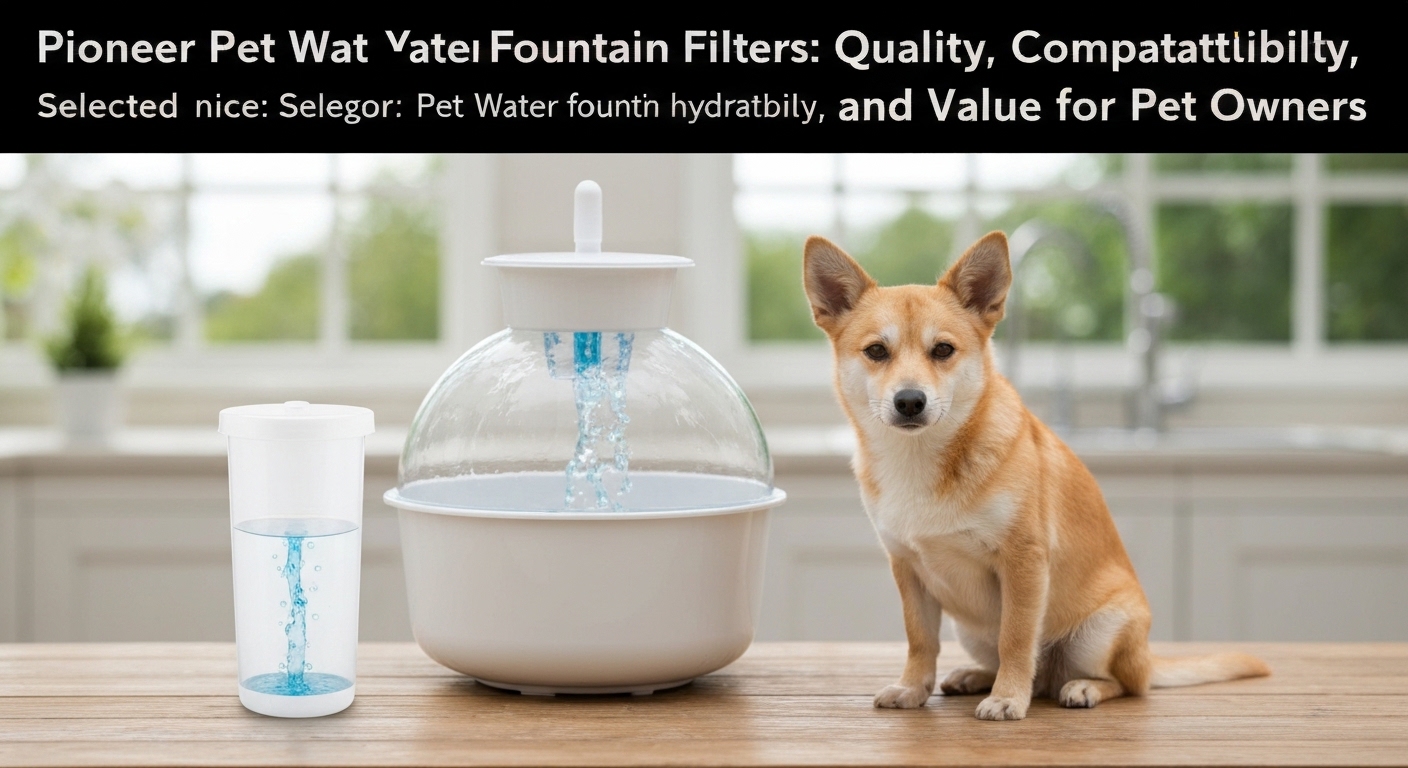
Ensuring Clean Water: A Guide to Pioneer Pet Water Fountain Filters
Maintaining consistent access to clean, fresh water is fundamental for your pet's overall health and well-being. Adequate hydration supports vital bodily functions, from digestion and nutrient absorption to temperature regulation. Stagnant or unfiltered water can harbor impurities, potentially deterring pets from drinking enough or even posing health risks.
Pioneer Pet water fountains are designed to address this by providing a continuous flow of aerated water, which often encourages pets to drink more frequently. However, the effectiveness of these fountains in delivering truly clean water relies heavily on their filtration system. The filter acts as the primary barrier against debris, hair, and other particulates that can accumulate in the water reservoir.
Choosing the correct replacement filter is therefore not just about maintenance; it's critical for sustaining the fountain's performance and ensuring the water your pet drinks remains safe and appealing. An unsuitable or low-quality filter can compromise water purity, reduce the fountain's lifespan, and ultimately undermine the health benefits it aims to provide.
This guide will empower Pioneer Pet fountain owners to confidently navigate their filter options. We will explore:
- Compatibility: Matching the right filter to your specific Pioneer Pet fountain model.
- Quality: Understanding the materials and design features that contribute to effective filtration.
- Value: Assessing the long-term cost and benefits to make informed purchasing decisions without overpaying for replacements.
The Science Behind Clean Sips: How Pioneer Pet Filters Work
Pioneer Pet water fountain filters are engineered to maintain water quality through a multi-stage filtration process. This design aims to address common impurities found in tap water and those introduced by pets, contributing to both pet health and the operational lifespan of the fountain itself. Understanding these mechanisms can help pet owners appreciate the role filters play in providing consistently clean water.
Typically, Pioneer Pet filters integrate two primary forms of filtration:
- Mechanical Filtration: This initial stage focuses on physically removing larger particles from the water. As water passes through a mesh or fibrous layer, visible debris such as pet hair, food particles, dust, and sediment are trapped. This step is crucial for preventing these larger contaminants from reaching and potentially clogging the fountain's pump, which can compromise its function.
- Chemical Filtration: Following mechanical filtration, water often flows through a layer of activated carbon (also known as activated charcoal). Activated carbon is highly porous and works through a process called adsorption, where impurities chemically bond to its surface. This stage is designed to:
- Remove unpleasant odors and tastes: Often caused by organic compounds in tap water.
- Reduce chlorine: Chlorine is commonly used in municipal water treatment and can be unappealing or even irritating to pets.
- Filter out some heavy metals and other chemical contaminants: Improving the overall palatability and safety of the water.
The combined action of these filtration stages is intended to deliver water that is not only visually clear but also free from many dissolved impurities that can affect its taste and quality. This continuous filtration cycle within a Pioneer Pet fountain system aims to keep the water circulating and consistently purified.
The direct impact of effective filtration extends to several areas:
- Enhanced Pet Hydration: By removing odors and improving taste, filtered water can encourage pets to drink more, which is vital for their overall health, including kidney function and digestion.
- Reduced Exposure to Contaminants: Minimizing pets' intake of chlorine and other impurities can contribute to their long-term well-being.
- Fountain Longevity: Preventing hair and debris from reaching the pump significantly reduces the risk of clogs and mechanical wear, extending the operational life of the water fountain and potentially reducing maintenance frequency.
Navigating Compatibility: Finding the Right Pioneer Pet Filter for Your Fountain Model
Selecting the correct replacement filter is paramount for maintaining the efficacy and longevity of your Pioneer Pet water fountain. Unlike generic filters, Pioneer Pet filters are designed to integrate precisely with specific fountain models, ensuring optimal performance. An exact fit is not merely a convenience; it directly impacts filtration quality and the operational health of the fountain.
Pioneer Pet offers a range of fountain designs, often categorized by material or series, such as ceramic, stainless steel, or various plastic models. Each design typically requires a filter with a unique shape, size, and sometimes even a distinct filtration media arrangement to fit its housing and filtration pathway correctly. For instance, a filter designed for a compact plastic fountain will likely not fit or function effectively in a larger stainless steel or ceramic unit, even if both are from the Pioneer Pet brand.
To ensure you purchase the appropriate filter, accurately identifying your fountain model is the critical first step:
- Check the Fountain Base: Many Pioneer Pet fountains have a model number or name printed on the underside or base.
- Consult Original Documentation: Refer to the user manual, packaging, or purchase receipt, which typically lists the specific model.
- Review Purchase History: Online order details or retailer product pages from your original fountain purchase can often confirm the model.
- Visual Identification: If documentation is unavailable, compare your fountain's appearance, especially the filter housing area, with images on the Pioneer Pet website or reputable retailer sites, looking for matching filter shapes.
Using an incompatible filter carries several risks that can undermine your pet's hydration and the fountain's function:
- Poor Fit and Reduced Filtration: An ill-fitting filter may allow water to bypass the filtration media entirely, rendering it ineffective. This means debris, hair, and other impurities will circulate directly into your pet's drinking water.
- Suboptimal Water Quality: Even if some water passes through, an incompatible filter might not contain the correct balance or type of filtration media (e.g., activated carbon, ion-exchange resin) for your specific fountain's design, leading to inadequate purification.
- Potential Fountain Damage: An improperly seated filter can strain the fountain's pump, leading to premature wear or failure. It can also cause leaks or disrupt the water flow, potentially damaging the pump motor or other internal components.
- Compromised Pet Health: The primary purpose of a fountain filter is to provide clean water. When compatibility is ignored, the water quality degrades, potentially exposing your pet to contaminants and negating the health benefits of filtered water.
Original vs. Alternatives: Evaluating Value in Pioneer Pet Filters
When maintaining a Pioneer Pet water fountain, pet owners frequently weigh the decision between purchasing original Pioneer Pet brand filters and opting for third-party alternatives. Understanding the true "value" of a filter extends beyond its initial purchase price, encompassing its lifespan, material quality, and consistent filtration effectiveness. This assessment helps ensure your pet receives clean water without compromising their health or the fountain's performance.
Original Pioneer Pet filters offer a direct fit and consistent performance, as they are manufactured to the exact specifications of the brand's fountains. This consistency minimizes the risk of improper seating, bypass of unfiltered water, or premature wear on the fountain's pump. Choosing original filters often provides:
- Guaranteed Compatibility: Designed specifically for Pioneer Pet models, ensuring a precise fit and optimal water flow.
- Consistent Quality: Materials and construction meet the brand's established standards, leading to predictable filtration performance.
- Brand Assurance: Backed by the manufacturer, offering a level of confidence in material safety and efficacy.
Conversely, third-party compatible filters present a potential for cost savings, but with varying degrees of reliability. While many alternative brands strive to match the quality of original filters, inconsistencies can arise. When considering these options, it's crucial to evaluate:
- Material Quality: The type and grade of activated carbon, ion-exchange resin, and mechanical filtration layers can differ significantly, impacting the filter's ability to remove impurities and sediment.
- Fit and Seal: An imprecise fit can lead to "failure points" where water bypasses the filter media, or "fit limits" that strain the fountain's pump or cause leaks.
- Safety Standards: The materials used in some third-party filters might not undergo the same rigorous testing for pet safety, potentially introducing unwanted substances into the water.
- Lifespan: While often advertised to last as long as original filters, actual performance and longevity can vary, sometimes requiring more frequent replacements, which can negate initial cost savings.
To assess potential risks and benefits, compare the stated specifications of alternatives against the known characteristics of original Pioneer Pet filters. Look for clear indications of material composition, certifications if available, and user feedback regarding fit and performance with your specific fountain model. Prioritizing consistent filtration, a secure fit, and verified pet-safe materials helps ensure that any cost savings do not come at the expense of your pet's health or the fountain's longevity.
Avoiding Filter Faux Pas: Common Mistakes and How to Prevent Them
Even with the best intentions, pet owners can encounter pitfalls when managing their Pioneer Pet water fountain filters. Understanding these common errors and their implications can help ensure your pet consistently receives clean water and your fountain operates efficiently.
One frequent misstep is purchasing the wrong filter model or size. Assuming all Pioneer Pet filters are universal can lead to an ill-fitting replacement. A filter that doesn't seat properly allows water to bypass the filtration media, rendering it ineffective. To prevent this, always cross-reference your fountain's specific model number with the filter's compatibility list before purchasing. Keeping your fountain's manual or original packaging can be a helpful reference.
Neglecting the recommended filter replacement schedule is another common oversight. While extending a filter's life might seem economical, an overused filter becomes saturated with trapped impurities, losing its ability to purify water. The activated carbon can become exhausted, and mechanical layers can clog, potentially releasing trapped contaminants back into the water or straining the fountain's pump. Adhere to the manufacturer's suggested replacement interval, typically every 2-4 weeks, depending on the filter type and pet usage. Setting a recurring reminder can be beneficial.
Improper installation of new filters can also compromise water quality. New carbon filters often contain fine dust that needs to be rinsed away before use. Failing to do so can result in black particles in your pet's water. Additionally, incorrectly orienting or seating the filter can prevent proper water flow or filtration. Always follow the installation instructions provided with your replacement filter, ensuring it is thoroughly rinsed and securely placed in its designated slot.
Pet owners might also misinterpret signs of a failing or clogged filter. Reduced water flow from the fountain, unusual pump noises, or visible debris in the water despite recent cleaning are all indicators that the filter is no longer performing optimally. Ignoring these cues means your pet is drinking less-than-clean water, and a severely clogged filter can put undue stress on the pump, potentially leading to premature failure. Pay attention to these subtle changes and replace the filter proactively.
Finally, the risks associated with unverified or low-quality third-party filters are a significant concern. While cheaper alternatives may be tempting, they might use inferior materials, such as non-food-grade plastics or low-quality carbon, that compromise water safety or the filter's effectiveness. Poor construction can also lead to improper fit, leaks, or even damage to your fountain. Prioritize filters specifically designed for Pioneer Pet fountains, and if considering third-party options, thoroughly research their reputation, material quality, and user reviews regarding fit and performance.
Your Filter Buying Checklist: What to Look for Before You Buy
Selecting the correct replacement filter for your Pioneer Pet water fountain involves more than just picking the first option available. A systematic approach ensures you acquire a filter that fits, performs effectively, and offers good value. Use the following checklist to guide your purchase decision:
- Confirm Your Fountain Model: Before anything else, identify the exact model name or number of your Pioneer Pet water fountain. Many Pioneer Pet fountains have distinct filter requirements based on their design and filtration system. This information is often found on the fountain's packaging, instruction manual, or a label on the unit itself.
- Identify Required Filter Type: Pioneer Pet fountains may utilize different filter types, such as activated carbon filters (for chemical impurities and odors), foam pre-filters (for larger debris like hair and food particles), or combination filters that integrate both. Your fountain's manual will specify the type of filter it needs. Using the incorrect type can compromise water quality or even damage the fountain.
- Evaluate Pack Size and Long-Term Needs: Filters require regular replacement to maintain optimal performance. Consider your pet's usage, water quality in your area, and the recommended replacement schedule. Purchasing multi-packs can sometimes offer a lower cost per filter, but ensure you have adequate storage and won't exceed the filters' shelf life before they are used.
- Scrutinize Product Descriptions for Compatibility: When viewing potential replacement filters, carefully read the product description. Look for explicit statements confirming compatibility with your specific Pioneer Pet fountain model. Pay attention to dimensions, filter shape, and any unique locking mechanisms to prevent purchasing a filter that won't fit correctly.
- Review Return Policies for Filters: Despite careful planning, sometimes an incorrect filter may be ordered. Before finalizing your purchase, understand the retailer's return policy for pet fountain filters. This can provide a safety net if there's a compatibility issue or if the product does not meet expectations upon arrival.
Frequently Asked Questions About Pioneer Pet Fountain Filters
Understanding the routine care and maintenance of Pioneer Pet fountain filters is essential for ensuring your pet consistently receives clean water and for maximizing the lifespan of your fountain. These common questions address practical aspects of filter usage and replacement.
-
How often should Pioneer Pet filters be changed? The general recommendation for most Pioneer Pet fountain filters is to replace them every 2 to 4 weeks. This timeframe can vary based on several factors, including the number of pets using the fountain, the hardness of your tap water, and the amount of debris (like pet hair or food particles) that accumulates. Always refer to your specific fountain model's instruction manual for the manufacturer's recommended replacement schedule.
-
Can Pioneer Pet filters be cleaned and reused? While some mechanical filter components might be rinsed to remove visible debris, the activated carbon or charcoal within most Pioneer Pet filters is designed for single-use. Rinsing primarily removes larger particles but does not rejuvenate the chemical filtration properties of the carbon, which absorb impurities and odors. Attempting to "clean" and reuse these filters can compromise water quality and may lead to bacterial growth.
-
What are the signs that a filter needs to be replaced? Several indicators suggest it's time for a filter change:
- Visible Discoloration or Debris: The filter material appears brown, green, or heavily laden with pet hair and other particles.
- Reduced Water Flow: The fountain's water stream becomes noticeably weaker, indicating a clogged filter.
- Unusual Odor or Taste: If the water develops an off-putting smell or taste, the filter is likely no longer effectively removing impurities.
- Slime or Film Buildup: An increase in slime or biofilm within the fountain can signal that the filter's effectiveness has diminished.
-
How should new filters be stored? To maintain their integrity and effectiveness, new Pioneer Pet filters should be stored in their original, sealed packaging. Keep them in a cool, dry place away from direct sunlight and strong odors. Exposure to air or humidity can degrade the activated carbon before use, reducing its filtration capacity.
-
Are there environmental considerations for disposing of used filters? Disposing of used pet fountain filters can present challenges due to their multi-material construction (plastic casing, activated carbon, fibrous mesh). While the plastic components might be theoretically recyclable, the combination with organic matter and carbon often makes them unsuitable for standard curbside recycling programs. Check with your local waste management facility for specific guidelines on disposing of composite materials. Some pet owners choose to empty the carbon into compost (if it's natural carbon) and recycle the plastic shell separately, though this requires careful separation.
Making the Best Choice for Your Pet's Hydration
Ultimately, the selection of Pioneer Pet water fountain filters hinges on three critical considerations: compatibility, quality, and value. These factors are not merely about maintenance; they directly influence the effectiveness of your fountain in providing continuous access to fresh, clean water, which is paramount for your pet's health and well-being. Ensuring your pet has a reliable source of purified water supports their hydration, aids digestion, and helps prevent potential health issues associated with stagnant or contaminated water.
By understanding the specific filter requirements for your Pioneer Pet fountain model, evaluating the materials and design for optimal filtration performance, and assessing the long-term cost-effectiveness of your choices, you are equipped to make a confident and informed decision. Your careful consideration ensures that your pet consistently benefits from the intended purpose of the fountain: a steady supply of clean, appealing water.
More in Pet Water Fountain Filters
View All
Premier Pet Water Fountain Filters: Are They the Best Value for Your Pet?
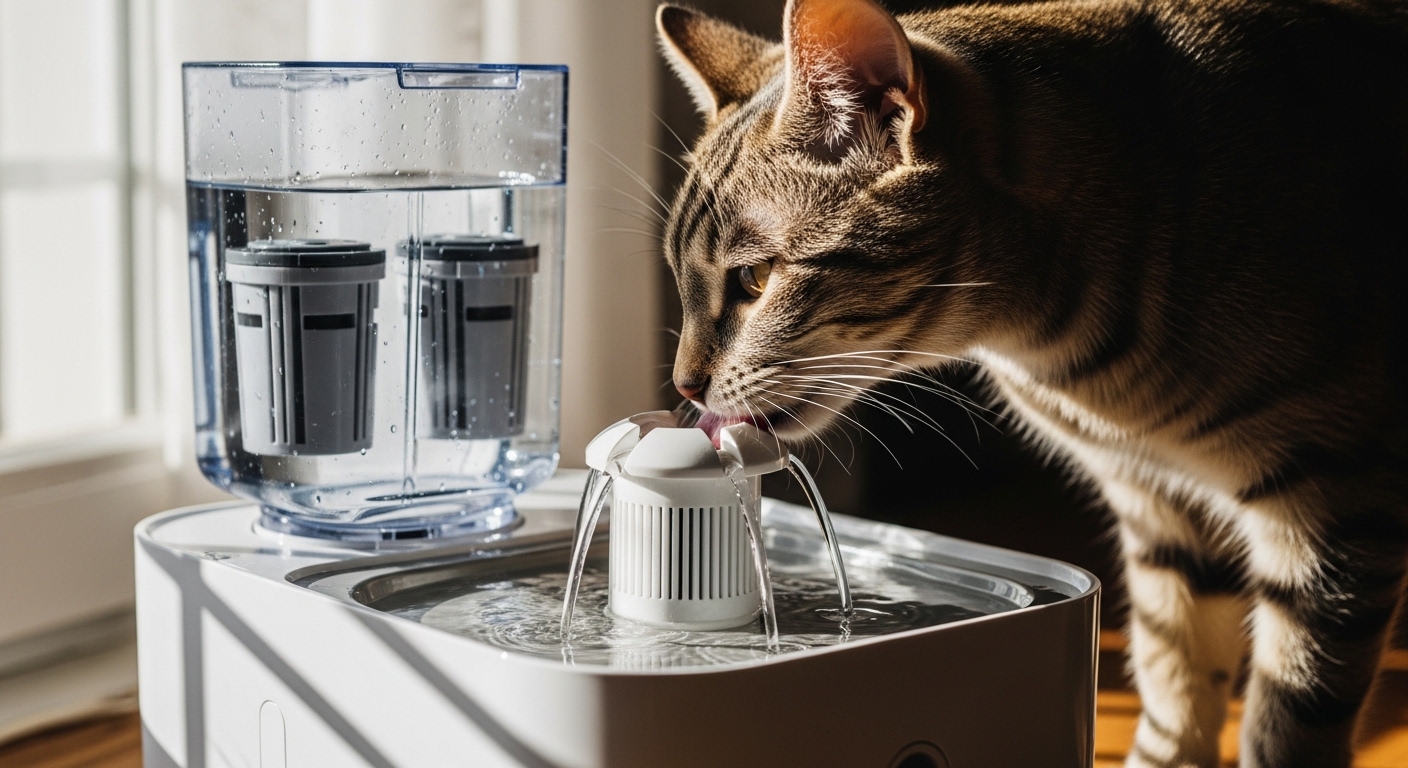
Ensuring Pet Health: What Makes Water Fountain Filters 'Pet Safe'?